Ramaphosa's government braces for June 30 anti-immigrant protests

As vigilante groups set June 30 as a deadline for undocumented migrants to leave, President Cyril Ramaphosa's government has promised a heavy police deployment while thousands of foreigners flee the country.
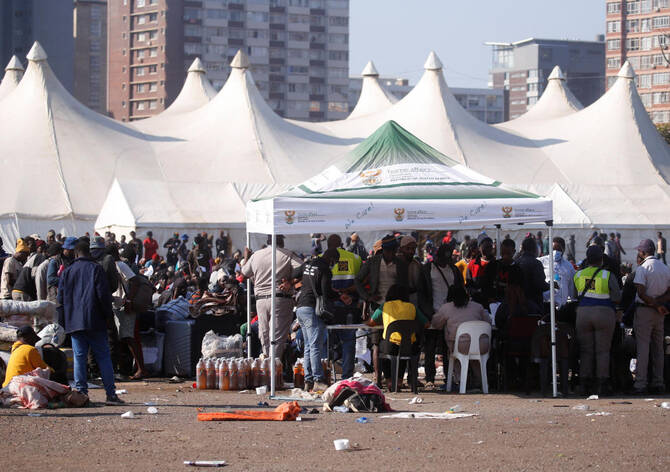
A single date has come to dominate South Africa's national conversation: June 30. That is the day anti-immigrant groups have set as a deadline for undocumented migrants to leave the country, and as it approaches, President Cyril Ramaphosa's government is racing to keep the situation from boiling over. According to Reuters, thousands of foreign nationals are already trying to get out, fearful of what the threatened protests might bring.
A Deadline That Has Sparked an Exodus
The ultimatum has done more than raise tempers; it has set people in motion. Reuters reports that the deadline has triggered a scramble among migrants from Malawi, Zimbabwe and Mozambique, many of whom are now searching for any route back to their home countries rather than waiting to find out whether the warnings turn violent. The fear is rooted in memory. South Africa has lived through repeated bouts of xenophobic violence over the years, and the prospect of another raises the same dread that accompanied earlier flare-ups.
As people try to leave, improvised gathering points have formed where migrants queue for transport and shelter. According to Reuters:
- Thousands of Malawian migrants massed at a makeshift camp in Durban.
- Hundreds of Zimbabweans slept on the pavements outside their consulate in Cape Town.
- Asylum seekers who originally fled conflict now face an agonizing choice between remaining where they feel threatened and returning to homelands that may be no safer.
The human cost is captured in the words of one migrant waiting to depart in Durban, who told Reuters: "We are scared because you never know what people are planning to do to you. It's not right to wait and see what will happen." That sentiment, the sense that staying put is itself a gamble, helps explain why so many are choosing to leave before the deadline arrives.
How the Government Is Responding
Ramaphosa's administration is relying heavily on the security forces to prevent the threatened protests from descending into violence. Police Commissioner Phumelele Makoba has promised a "massive deployment" of officers to maintain order during the demonstrations, Reuters reported. A visible police presence in the most affected cities is intended both to deter would-be attackers and to reassure migrants who feel exposed.
The stakes for the government are high. In past outbreaks, migrants have seen their homes torched and, in the worst cases, lost their lives, and each episode has damaged South Africa's standing across the continent. Authorities now find themselves judged on two fronts at once: their handling of border control and undocumented migration on one side, and their duty to protect foreign nationals already living within the country on the other.
A Test for the Days Ahead
Migration has surged to the very top of the national agenda, and the government's credibility is bound up in how the next few days unfold. Tension is reported to be running high across major urban centers including Johannesburg, Pretoria, Durban and Cape Town, the same cities that have seen unrest before. Whether the heavy police presence is enough to keep the planned protests peaceful, or whether the country slides once more into the violence that has scarred it in the past, will likely be clear soon after June 30. For now, the images of crowded camps and pavement queues stand as a stark measure of how much fear the deadline has already produced, well before any protest has begun.
Related on Ni4o: Albanese Vows to Toughen Australia's Under-16 Social Media Ban · Zelenskyy Details Russia's Latest Week of Airstrikes · Netanyahu hails Israel-Lebanon framework deal as historic
 ProfileCyril RamaphosaPresident of South Africa
Related

Milei's cabinet chief Adorni quits amid spending scandal
Argentine Cabinet Chief Manuel Adorni resigned amid an investigation into his finances, a blow to President Javier Milei as his approval rating slides.
Albanese Vows to Toughen Australia's Under-16 Social Media Ban
Prime Minister Anthony Albanese says big tech is failing to comply with Australia's world-first under-16 social media ban and is pushing tougher penalties and new enforcement powers.
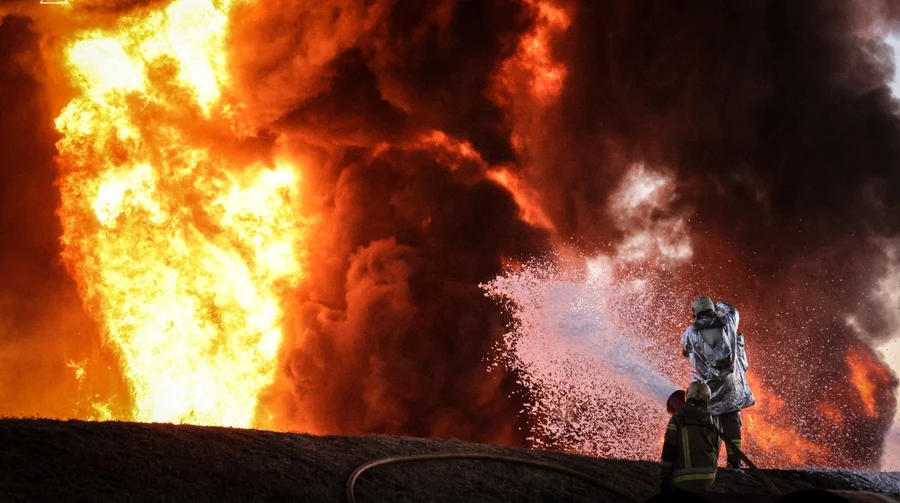
Zelenskyy Details Russia's Latest Week of Airstrikes
President Zelenskyy laid out the scale of Russia's bombardment over the past week, reporting nearly 3,000 aerial weapons fired across 15 Ukrainian regions.