Nadella Warns AI's Value Can't Flow to Just a Few Models

Microsoft CEO Satya Nadella argued in a June 22 Wall Street Journal interview that concentrating AI's gains in a handful of frontier models is politically untenable, even as Microsoft's AI business hit a $37 billion annual run rate.
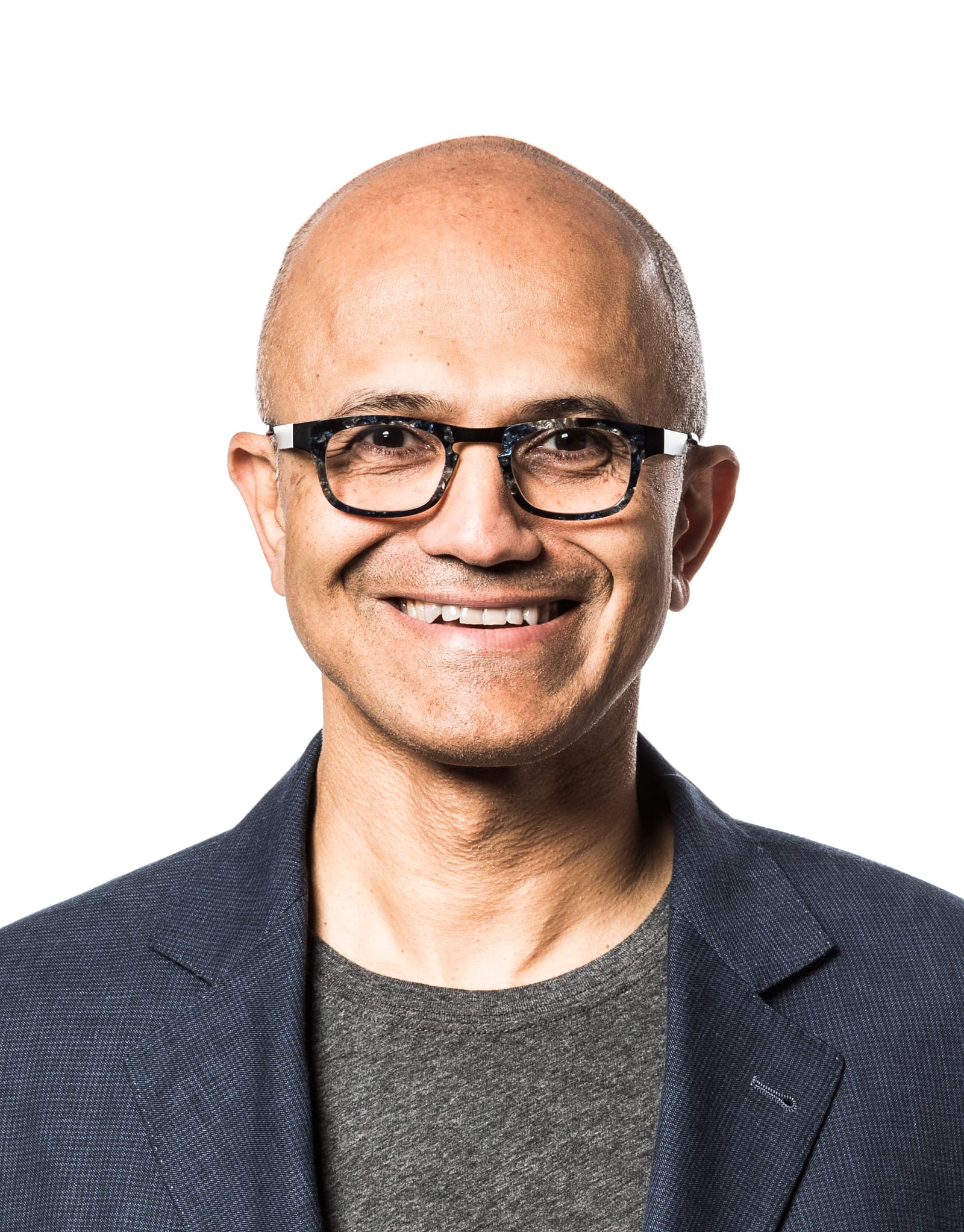
A Pointed Message to the AI Industry
Satya Nadella used much of June to hammer home a single idea, repeating it across interviews and social posts until it read less like an offhand observation than a deliberate campaign: the economic value created by artificial intelligence cannot be allowed to pool in just a few frontier models. In a Wall Street Journal interview published on June 22, 2026, the Microsoft chief executive cast the issue as a matter of political survival rather than pure economics, according to coverage by StartupHub.ai.
"If all the value is accrued by only a few models, the political economy will simply not tolerate it," Nadella said. He has paired that warning with a broader argument that an AI future which "hollows out entire industries" would lack what he calls societal permission, the implicit license that lets a powerful technology keep operating without a public backlash or a regulatory clampdown.
Strong Numbers Behind the Caution
What gives the message extra weight is that Microsoft is itself one of the biggest winners of the current AI boom, so Nadella is in effect cautioning against an outcome that could benefit his own company. Per the report, Microsoft's AI business reached a roughly $37 billion annual revenue run rate in its fiscal third quarter, up about 123% year over year, while its Azure cloud platform grew around 40%. Microsoft 365 Copilot reportedly climbed to 20 million paying users by April 2026, up from 15 million in January, a sign that paid adoption is accelerating rather than stalling.
The company's relationship with its closest AI partner has also evolved. The article notes that after an April 2026 restructuring of the OpenAI arrangement, Microsoft holds roughly a 27% equity stake and the prior exclusivity terms were dropped, giving both sides more room to operate independently. That loosening fits Nadella's stated preference for a more distributed AI landscape rather than a single dominant alliance.
A Sustained Campaign, Not a One-Off
Nadella's June messaging was notable for its consistency. Across several venues he returned to the same theme:
- A June 4 interview on Stratechery with Ben Thompson
- A June 14 essay on X arguing that "a frontier without an ecosystem is not stable"
- A June 21 interview referencing both OpenAI and Anthropic
- The June 22 Wall Street Journal sit-down
Taken together, the appearances suggest a coordinated effort to shape how the industry and policymakers think about where AI is heading.
Why It Matters
The through-line, according to StartupHub.ai, is a call for an AI "reset" that favors a broad ecosystem of models and applications over a winner-take-all race among a handful of labs led by figures such as Sam Altman and Dario Amodei. It is a vision in which value is spread across many builders rather than captured by whoever trains the single most capable model.
There is, of course, a strategic dimension to the philosophy. Microsoft sits at the center of exactly the kind of ecosystem Nadella is championing, supplying the cloud infrastructure, enterprise software, and distribution that countless AI applications depend on. An ecosystem-first world is also a world in which Microsoft's platform position looks more durable than any single model's lead. The argument may be sincere and self-interested at the same time, and that combination is precisely what makes it worth taking seriously.
 ProfileSatya NadellaChairman and CEO of Microsoft
Related

US Judge Presses DOJ Over Dropping Adani Fraud Case
A US federal judge ordered the Justice Department to justify its move to drop bribery charges against Gautam Adani, calling the explanation terse and conclusory.
Djokovic Joins Private Equity Firm General Atlantic as Advisor
Novak Djokovic is trading the baseline for the boardroom, joining private equity giant General Atlantic as a global strategic advisor and deepening his bet on health, wellness and sports tech.

OpenAI Eyes 2027 IPO as Altman Holds Firm on $1 Trillion
OpenAI is reportedly willing to push its public debut to 2027 rather than accept anything less than Sam Altman's $1 trillion valuation target.