Biden Loses Court Bid to Block Release of Memoir Tapes
A federal judge rejected former President Joe Biden's lawsuit seeking to keep audio recordings made for his 2017 memoir out of public hands.
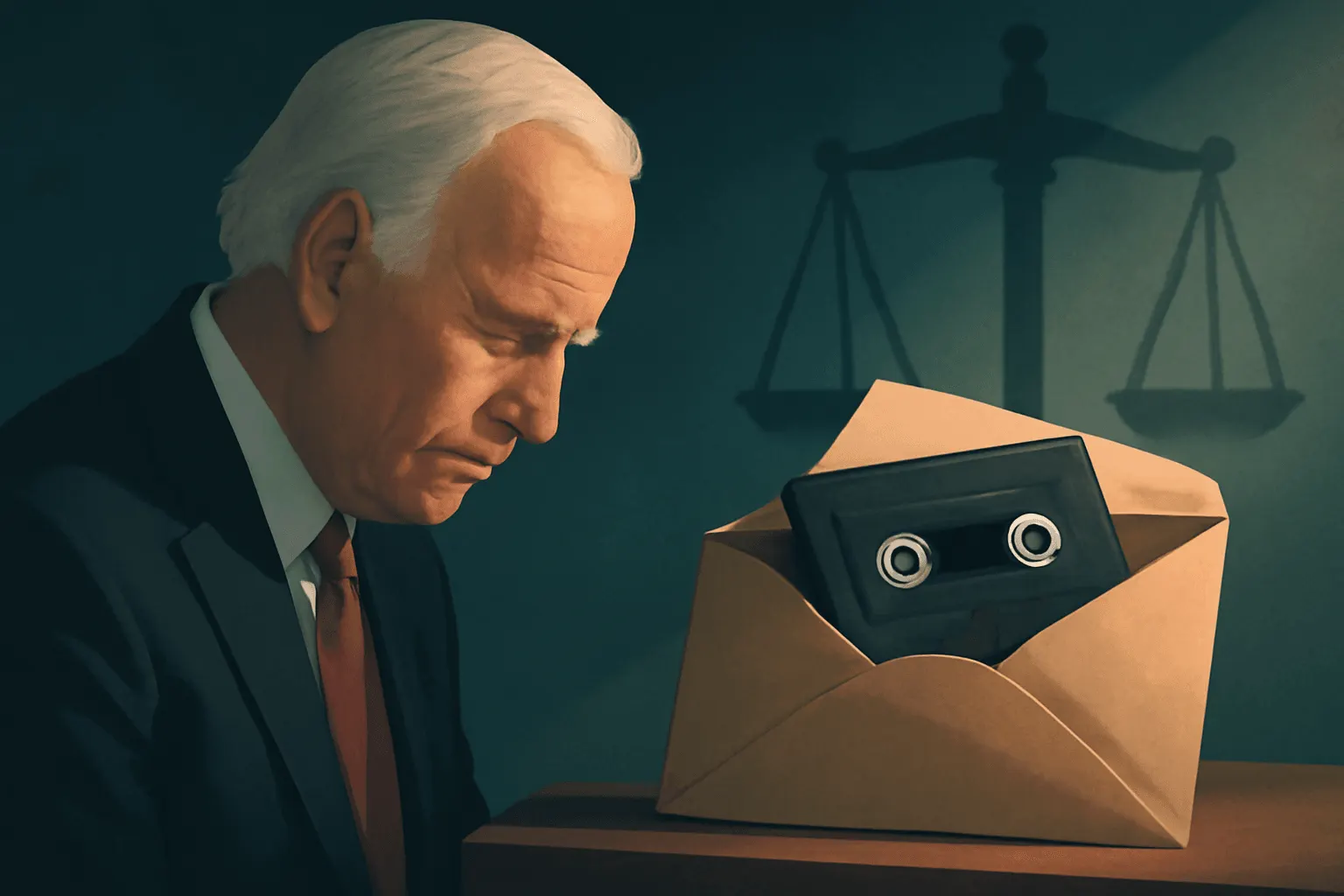
A Privacy Fight the Former President Lost
Joe Biden has suffered a notable legal defeat in his attempt to keep deeply personal audio recordings from becoming public, according to Al Jazeera. U.S. District Judge Dabney Friedrich rejected the former president's lawsuit, which had argued that releasing the tapes would amount to a violation of his right to privacy. The recordings were made years earlier, while Biden worked with ghostwriter Mark Zwonitzer on his 2017 memoir, "Promise Me, Dad," a book built around the death of his son Beau.
The dispute is unusual precisely because of how intimate the underlying material is. Memoir interviews of this kind are typically private working sessions, never intended for public consumption, which is what made Biden's legal argument emotionally resonant even as it ultimately failed in court.
How the Tapes Ended Up in Government Hands
The recordings did not surface through some leak or accident. As Al Jazeera reports, they came into the government's possession during the 2023 classified-documents investigation led by Special Counsel Robert Hur. Once the material was part of a federal inquiry, it became subject to the transparency rules that govern government records, setting the stage for the current fight.
The push to release the tapes came from the Trump administration, which moved to disclose the recordings in response to a Freedom of Information Act request filed by the Heritage Foundation, the conservative think tank. That backdrop gives the case an unmistakable political dimension, pitting a former Democratic president's privacy claim against a request from a prominent conservative organisation.
The Court's Reasoning
In weighing the competing interests, Judge Friedrich came down on the side of disclosure. Al Jazeera quoted her conclusion directly:
> "The harm to Biden's diminished privacy interest is outweighed by the public's interest in the Zwonitzer materials."
Biden's legal team had cast the matter in sweeping terms, arguing that "every American... has a right to privacy in the personal conversations he has within his own home." The judge, however, was not persuaded that this broad principle could shield recordings that had already been gathered as part of a federal investigation. Once such material enters the orbit of an official probe, the privacy expectations attached to it are significantly weakened, a point the ruling made plain.
The Key Threads of the Case
Several elements help explain how an intensely personal book project ended up in federal court. From the reporting:
- The recordings stem from interviews for "Promise Me, Dad," published in 2017.
- Special Counsel Robert Hur obtained them during his classified-documents inquiry.
- The Heritage Foundation sought the tapes through a FOIA request.
- Biden is expected to appeal the decision.
What Comes Next
The ruling clears a path for the material to be turned over, but it is unlikely to be the final word. With an appeal anticipated from Biden's legal team, the question of whether the public will ever actually hear the recordings remains open. Appellate courts could take a different view of how to balance privacy against transparency, and the emotionally charged subject matter, conversations touching on the loss of his son, ensures the dispute will keep drawing attention.
The case illustrates the strange afterlife of documents created for one purpose and then swept into another. Records meant for a memoir about grief have become a test of how far FOIA transparency reaches, and of how much privacy a former president retains over his own words once they cross into a federal investigation. For now, the law has tilted toward openness, pending whatever Biden's lawyers decide to do next.
Related on Ni4o: Clinton Calls Biden's Reelection Bid a 'Terrible Mistake' · Albanese Vows to Toughen Australia's Under-16 Social Media Ban
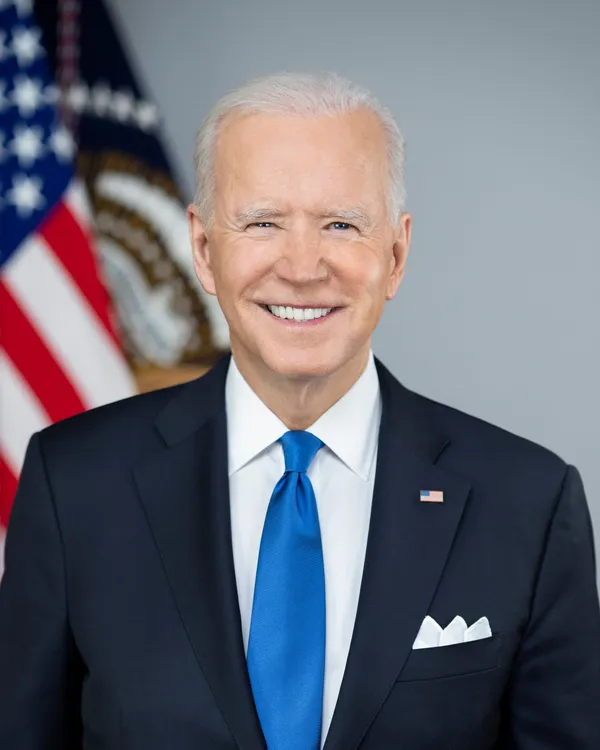 ProfileJoe Biden46th President of the United States
Related
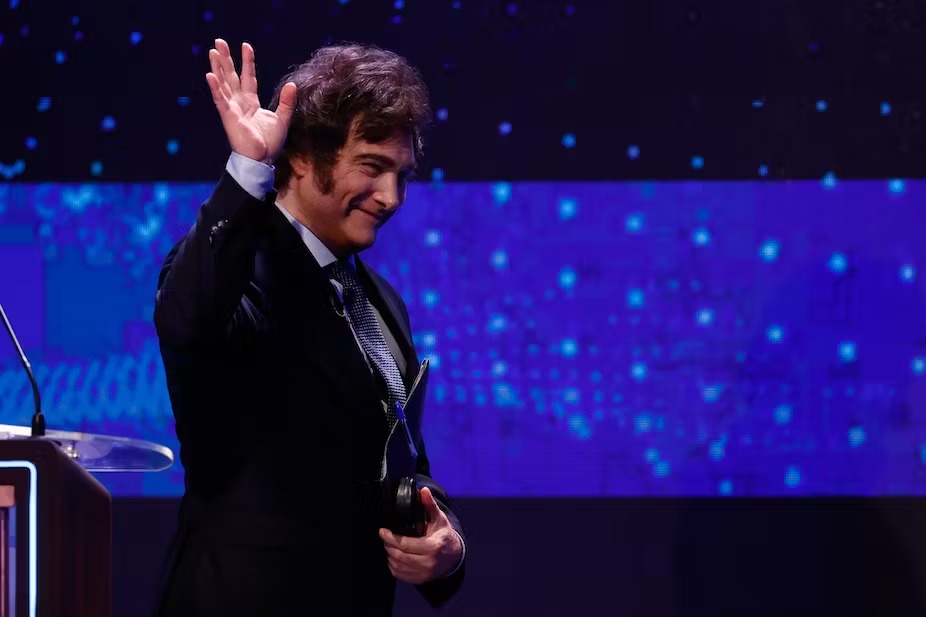
Milei's cabinet chief Adorni quits amid spending scandal
Argentine Cabinet Chief Manuel Adorni resigned amid an investigation into his finances, a blow to President Javier Milei as his approval rating slides.

Albanese Vows to Toughen Australia's Under-16 Social Media Ban
Prime Minister Anthony Albanese says big tech is failing to comply with Australia's world-first under-16 social media ban and is pushing tougher penalties and new enforcement powers.
Zelenskyy Details Russia's Latest Week of Airstrikes
President Zelenskyy laid out the scale of Russia's bombardment over the past week, reporting nearly 3,000 aerial weapons fired across 15 Ukrainian regions.