Erdogan gains as US clears $700M Turkey jet engine sale

The Trump administration notified Congress of a $700 million sale of GE jet engines to power Turkey's KAAN fighter, a diplomatic boost for Erdogan ahead of a NATO summit in Ankara.
A Deal Years in the Making
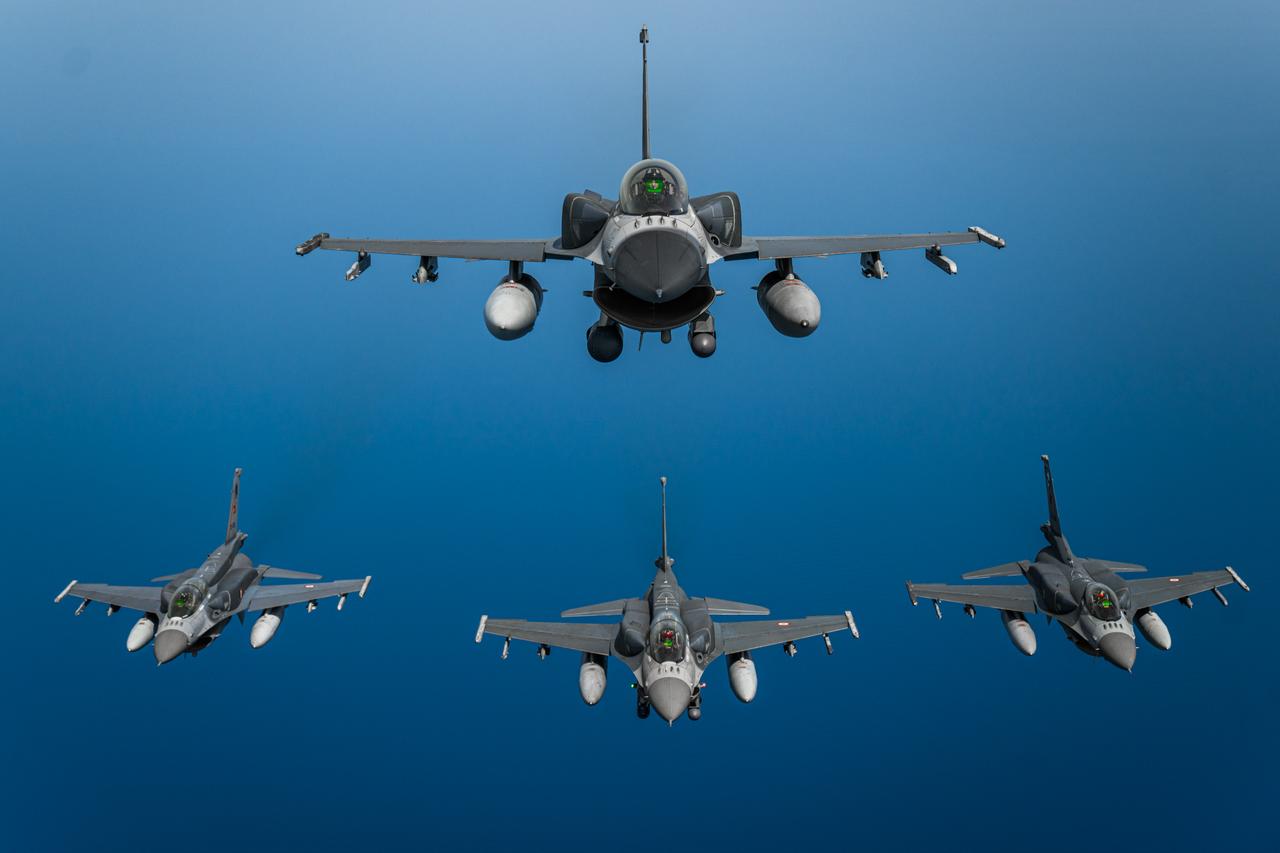
The Trump administration has formally notified the U.S. Congress of its intention to sell General Electric jet engines worth more than $700 million to Turkey, handing President Recep Tayyip Erdogan a significant diplomatic and industrial win. According to Turkiye Today, the engines are destined to power Turkey's first homegrown fighter jet, the KAAN, a flagship programme launched in 2016 as a centrepiece of Ankara's long campaign for defence self-reliance.
For Erdogan, the timing could hardly be better. Turkiye Today reports the sale is widely read as a gesture of goodwill ahead of a NATO summit that Turkey is set to host in Ankara, underscoring his effort to translate a warmer relationship with Washington into tangible strategic gains. A domestic fighter jet powered by American engines, unveiled while hosting the alliance, offers a potent symbol of restored standing.
Congress Raises Objections
The path is not entirely smooth. The outlet notes that lawmakers have pushed back, with Rep. Gregory Meeks accusing the administration of having "bypassed congressional review in supplying more than $700 million in defense equipment." A Trump administration official rejected that characterisation, insisting the White House-sidelines-amodei-sends-cofounder-to-white-house)-sidelines-amodei-sends-cofounder-to-white-house) maintains "a maximally transparent relationship with Congress."
Under the process described by Turkiye Today, Congress now has a 15-day window to introduce a joint resolution of disapproval. Blocking the sale, however, would require clearing a steep set of hurdles:
- Passage in both the House and the Senate.
- Surviving a likely presidential veto.
That high bar makes a successful block improbable, even with lingering unease in Washington over Turkey's past defence choices.
The Shadow of the S-400
No discussion of U.S.-Turkey defence ties can avoid the episode that strained them most. Turkey's 2019 purchase of Russian S-400 air defence systems triggered a serious rupture with Washington and led to Ankara's removal from the F-35 fighter programme. That history still colours how some lawmakers view any major arms transfer to Turkey, and it helps explain the congressional friction surrounding the engine deal.
Against that backdrop, the GE engine sale reads as a marker of how far relations have thawed. Where the S-400 saga pushed the two NATO allies apart, this transaction points toward renewed cooperation, at least on the specific terms of the KAAN programme.
What It Means for Erdogan
For Erdogan, the engines represent far more than hardware. They mark concrete progress on a long-cherished ambition to build an independent Turkish defence industrial base, reducing reliance on foreign suppliers while reasserting Turkey's weight inside NATO. A capable, domestically produced fighter has been a strategic aspiration for Ankara for years, and securing the powerplants to fly it removes a critical obstacle.
Turkiye Today quotes Trump previewing the decision in characteristically loose terms, saying, "Yeah, I'm going to probably do something that's going to make him very happy," a clear reference to the Turkish leader. The remark captures the personal dimension of a relationship that Erdogan has worked to cultivate.
If the sale clears Congress, as the procedural odds suggest it will, it would cement a notable rapprochement between the two allies and give the KAAN project a major boost. Hosting the alliance's summit while securing American engines for a flagship national fighter would let Erdogan showcase both his diplomatic reach and his country's industrial ambitions on a single, high-profile stage.
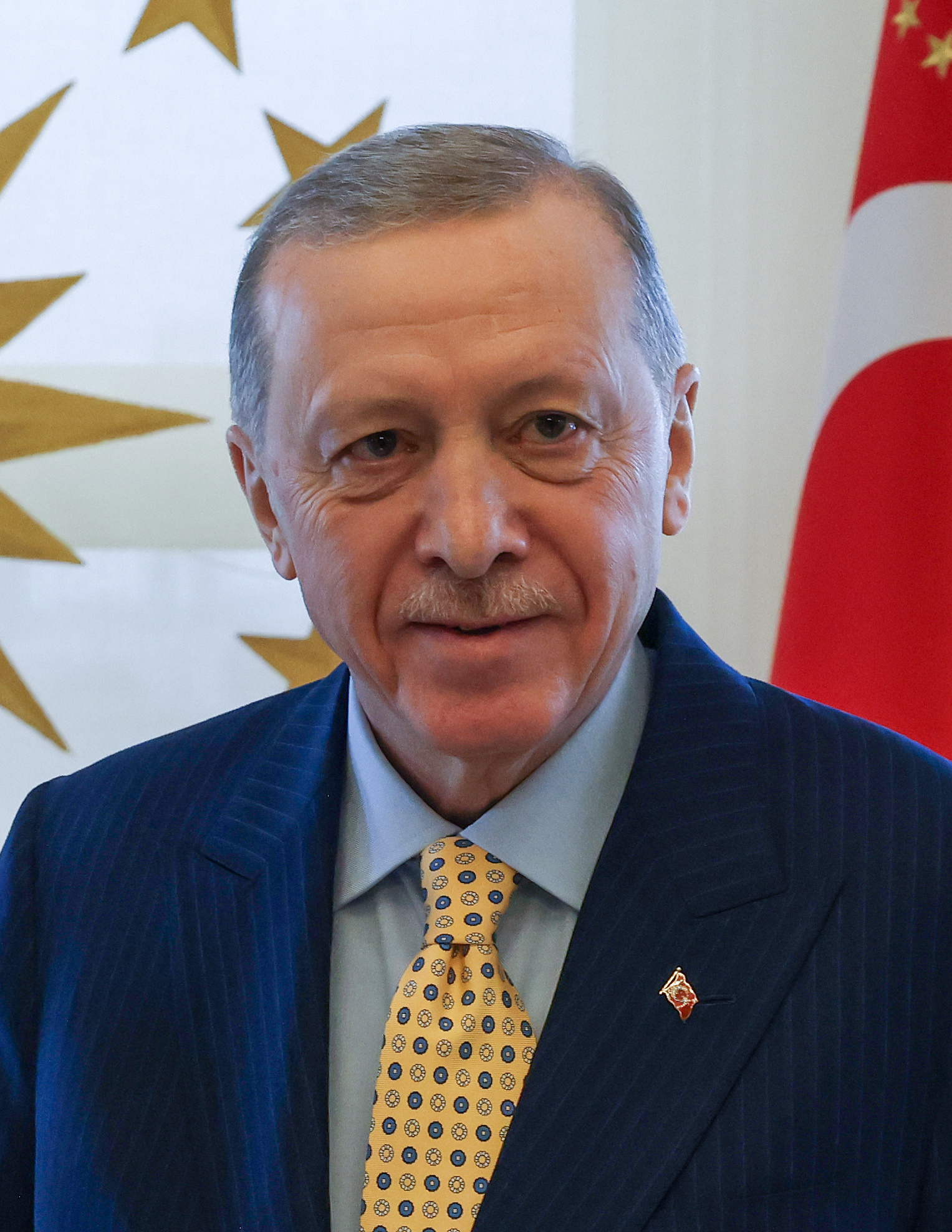 ProfileRecep Tayyip ErdoganPresident of Turkey
Related
Milei's cabinet chief Adorni quits amid spending scandal
Argentine Cabinet Chief Manuel Adorni resigned amid an investigation into his finances, a blow to President Javier Milei as his approval rating slides.

Albanese Vows to Toughen Australia's Under-16 Social Media Ban
Prime Minister Anthony Albanese says big tech is failing to comply with Australia's world-first under-16 social media ban and is pushing tougher penalties and new enforcement powers.
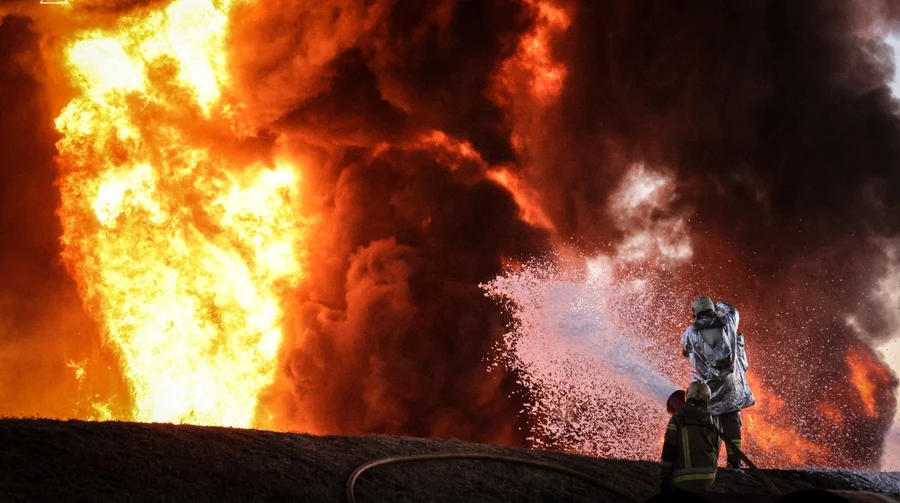
Zelenskyy Details Russia's Latest Week of Airstrikes
President Zelenskyy laid out the scale of Russia's bombardment over the past week, reporting nearly 3,000 aerial weapons fired across 15 Ukrainian regions.