Tim Cook Warns Apple Prices Will Rise Amid Chip 'Flood'

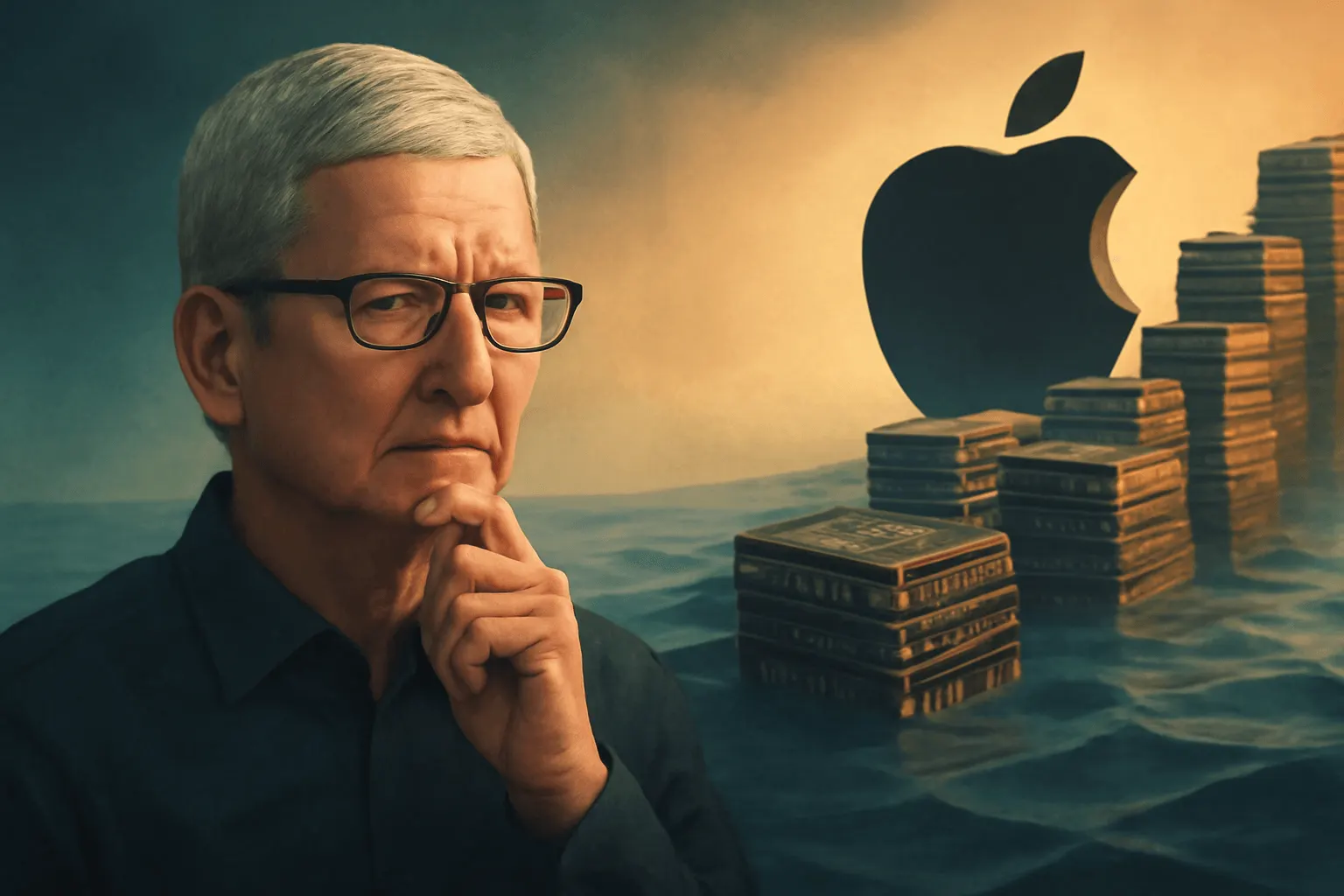
Apple chief Tim Cook says higher prices are now 'unavoidable' as a memory-chip crunch he compares to a 'hundred-year flood' tears through the electronics supply chain.
A shortage Cook says he has never seen before
Apple customers should brace for higher prices on their next devices, and the warning is coming straight from the top. Speaking in comments reported by Yahoo Finance, chief executive Tim Cook described the current scarcity of memory and storage chips in language that left little room for optimism. "This is a hundred-year flood," he said. "I've never seen anything like it in any area in over 40 years."
That is a striking statement from an executive who built his reputation on operations and supply-chain mastery long before he became Apple's CEO. For Cook to reach for catastrophe-scale imagery signals that the disruption is more severe than the routine component crunches the technology industry weathers from time to time. According to Yahoo Finance, prices for the memory and storage parts that go into phones, laptops and tablets have roughly quadrupled over the past year as demand outstripped supply.
Why Apple says it can no longer absorb the cost
For months, the message from large hardware makers has been that they were shielding buyers from rising input costs. Cook acknowledged that approach has reached its limit. "Unfortunately, price increases are unavoidable," he told Yahoo Finance. "We're doing our best to mitigate the huge increases that are being passed to us, and we've been trying to shield our customers from the increases, but the situation has become unsustainable."
Industry forecasts cited in the report suggest the pain will be widely felt:
- Morgan Stanley estimates U.S. smartphone and PC prices could rise about 15% this year.
- TechInsights projects the next iPhone Pro could carry a price tag roughly $270 higher if Apple passes the costs through.
- Competitors including HP, Dell and Nintendo have already moved to raise prices.
A pressure squeezing the whole industry
Apple is hardly alone. The same components sit inside virtually every modern electronic product, so a global shortage ripples through the entire sector at once. Hardware makers are left with an unenviable choice: raise prices and risk softening demand, or hold the line and watch profit margins erode. For most companies, neither option is comfortable, which helps explain why so many are choosing to pass costs along to consumers rather than absorb them indefinitely.
The timing adds another layer of significance for Apple. The warning lands as the company navigates a leadership) transition, with Cook expected to hand the chief executive role to hardware veteran John Ternus later in 2026. Managing a high-profile cost shock without alienating customers is the kind of challenge that will test the incoming leadership just as much as the outgoing.
What it means for buyers
The practical takeaway for consumers is straightforward: Macs, iPads and iPhones are likely to get more expensive in the coming months. Apple has historically held its headline prices steady across product generations, often adjusting storage tiers or configurations rather than the entry price, so any visible increase would mark a notable break from recent habit.
Cook's blunt framing underscores how little maneuvering room even a company of Apple's scale has when a core input quadruples in cost. If one of the most powerful buyers in global electronics cannot fully insulate its customers, smaller manufacturers have even less cushion. For now, the message from Cupertino is that the era of absorbing the chip crunch quietly is over, and shoppers will start to see the difference at checkout.
Related on Ni4o: US Judge Presses DOJ Over Dropping Adani Fraud Case · Djokovic Joins Private Equity Firm General Atlantic as Advisor · OpenAI Eyes 2027 IPO as Altman Holds Firm on $1 Trillion
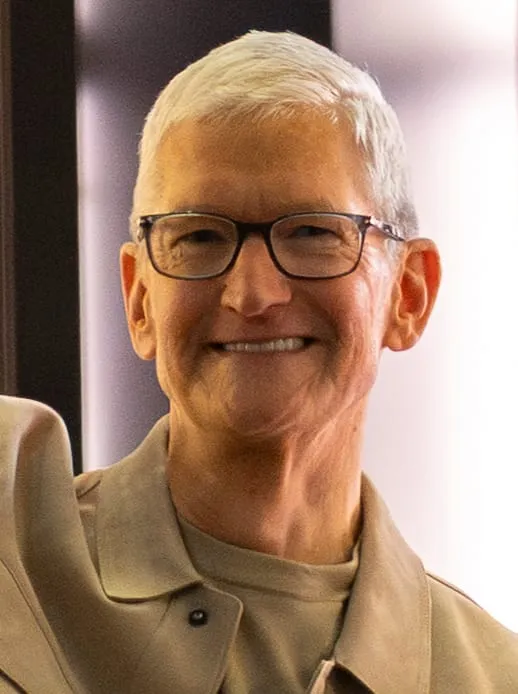 ProfileTim CookCEO of Apple Inc.
Related

US Judge Presses DOJ Over Dropping Adani Fraud Case
A US federal judge ordered the Justice Department to justify its move to drop bribery charges against Gautam Adani, calling the explanation terse and conclusory.

Djokovic Joins Private Equity Firm General Atlantic as Advisor
Novak Djokovic is trading the baseline for the boardroom, joining private equity giant General Atlantic as a global strategic advisor and deepening his bet on health, wellness and sports tech.

OpenAI Eyes 2027 IPO as Altman Holds Firm on $1 Trillion
OpenAI is reportedly willing to push its public debut to 2027 rather than accept anything less than Sam Altman's $1 trillion valuation target.