Politics
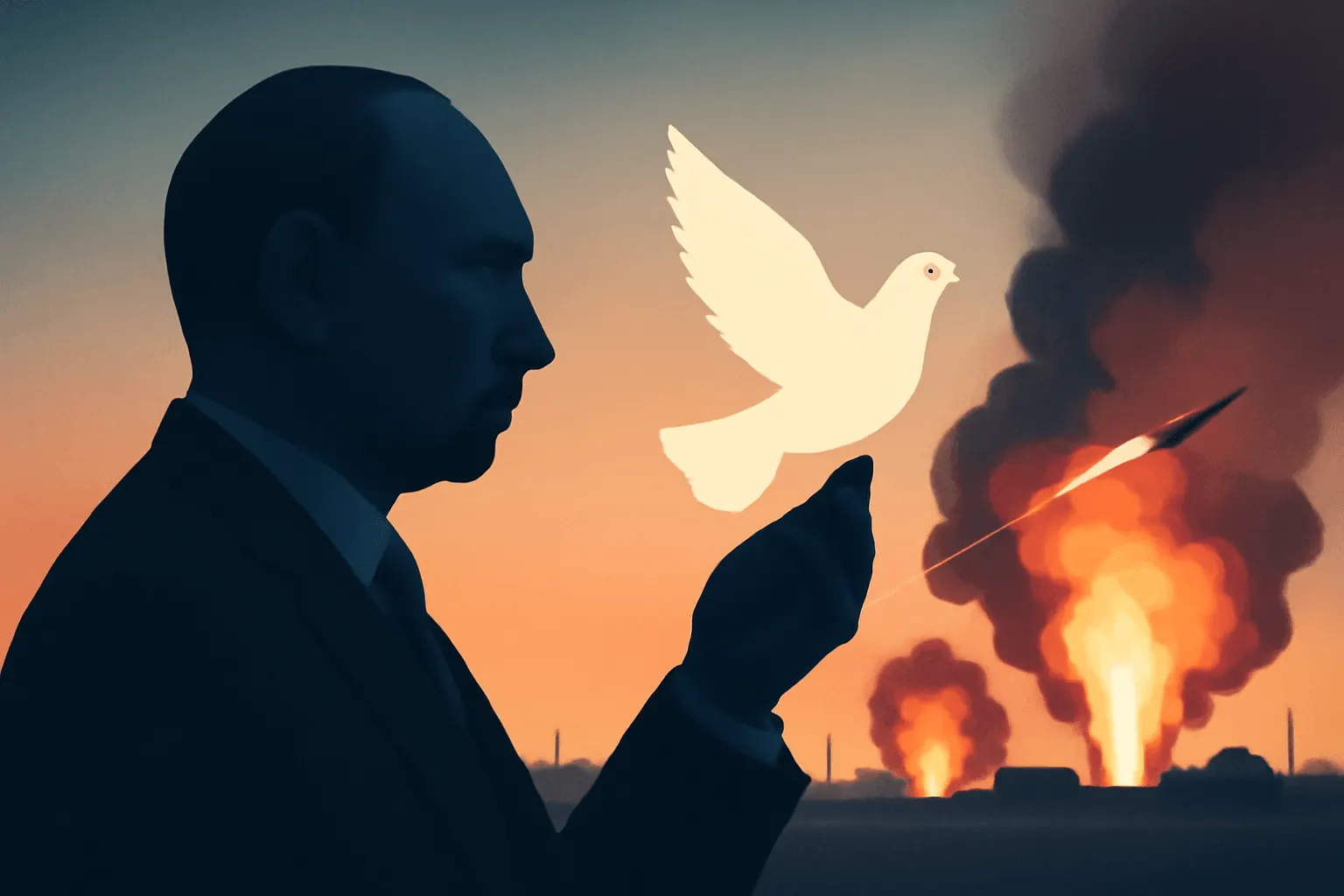
Putin Signals Peace Talks as Ukraine Strikes Batter Russia
As Ukrainian drone strikes hammer Russian oil infrastructure and rattle cities, Putin says Moscow is ready to revive peace talks on the 2022 Istanbul terms.
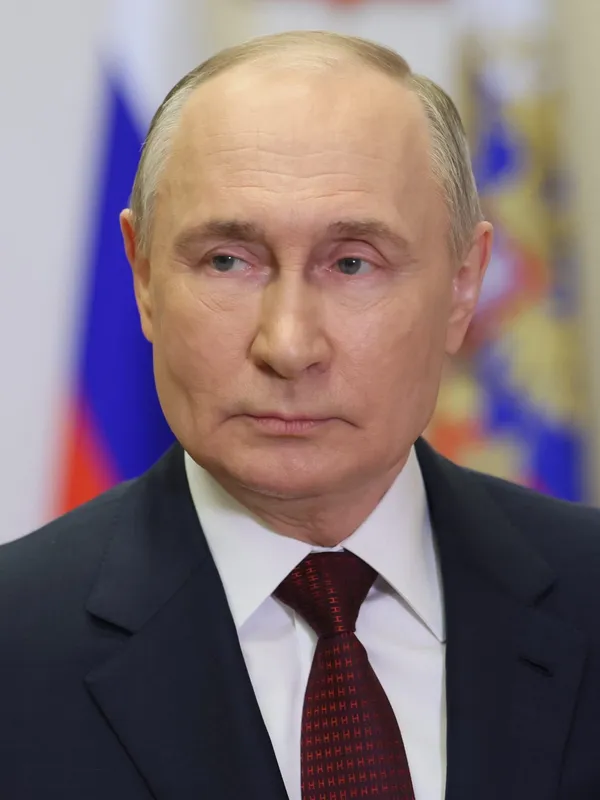
President of Russia
Vladimir Vladimirovich Putin is a Russian politician and former intelligence officer who has served as the dominant figure in Russian politics since the turn of the 21st century. He has held the office of president of Russia across multiple terms and also served as prime minister, making him one of the longest-serving leaders in modern Russian history.
Putin was born in 1952 in Leningrad, in the Soviet Union, in a family of modest means. He studied law at Leningrad State University, graduating in 1975. He then joined the KGB, the Soviet Union's principal security and intelligence agency, where he worked for roughly 16 years, including a posting in Dresden, in what was then East Germany. He resigned from the agency in 1991 around the time of the dissolution of the Soviet Union and entered politics in St. Petersburg, working in the administration of the city's mayor.
During the 1990s Putin moved to Moscow and held a series of posts in the federal government, including head of the Federal Security Service (FSB), a successor to the KGB. In 1999 President Boris Yeltsin appointed him prime minister, and when Yeltsin resigned at the end of that year, Putin became acting president. He won the presidential election in 2000 and was reelected in 2004. Because of constitutional term limits, he served as prime minister from 2008 to 2012 under President Dmitry Medvedev before returning to the presidency in 2012. Constitutional changes approved in 2020 altered term-limit rules, allowing him to remain eligible for further terms.
During Putin's tenure, the Russian state consolidated central authority and asserted greater control over major industries, particularly the energy sector. Supporters credit him with restoring stability and national prestige after the upheavals of the 1990s, while critics point to constraints on political opposition, independent media, and civil society.
In foreign affairs, his leadership has been marked by a more assertive Russian posture. Key events include the 2008 conflict with Georgia, the annexation of Crimea in 2014, military involvement in the Syrian civil war, and the large-scale invasion of Ukraine launched in February 2022. The 2022 invasion drew widespread international condemnation and led many Western governments to impose extensive economic sanctions on Russia. In 2023 the International Criminal Court issued an arrest warrant related to the conflict in Ukraine; Russia, which does not recognize the court's jurisdiction, rejected it.
Putin has cultivated a carefully managed public image over the years, often emphasizing themes of national sovereignty, traditional values, and Russia's role as a great power. His government has described its actions as defending national interests and security, while many foreign governments and human-rights organizations have criticized its record. His long tenure has made him a central and divisive figure in global politics, and assessments of his impact vary sharply depending on perspective.
Widely regarded as one of the most consequential world leaders of his era, Putin remains a subject of intense international attention. The full consequences of his decisions, particularly regarding Ukraine and Russia's relations with the West, continue to shape the geopolitical landscape and are likely to define much of how his leadership is ultimately judged.
As Ukrainian drone strikes hammer Russian oil infrastructure and rattle cities, Putin says Moscow is ready to revive peace talks on the 2022 Istanbul terms.