Celebrities
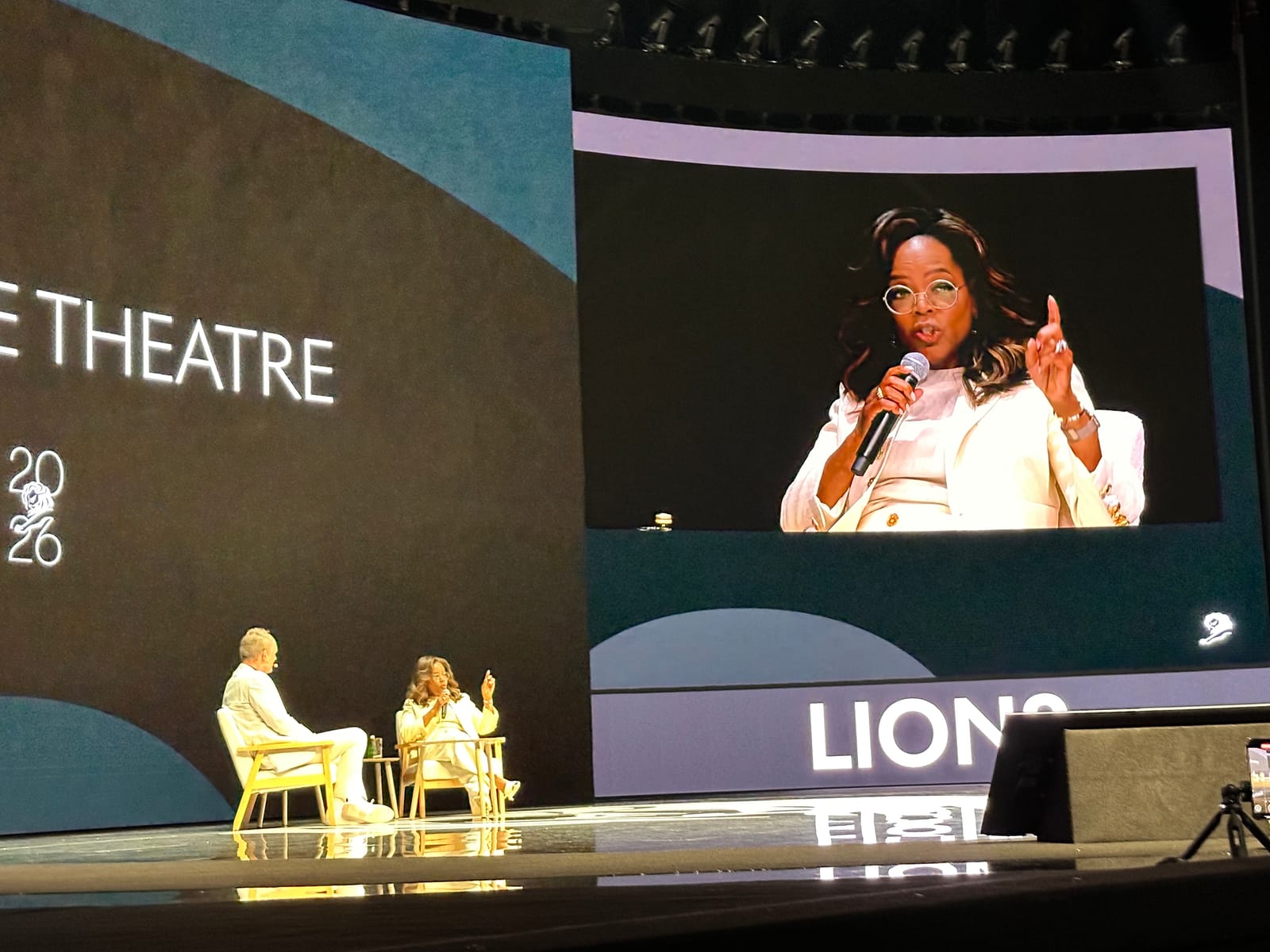
Oprah Winfrey on Becoming a 'Brand,' Beyonce and Her Legacy at Cannes
At Cannes Lions, Oprah Winfrey reflected on resisting the 'brand' label, what Beyonce taught her, and how she turned television into a force for good.
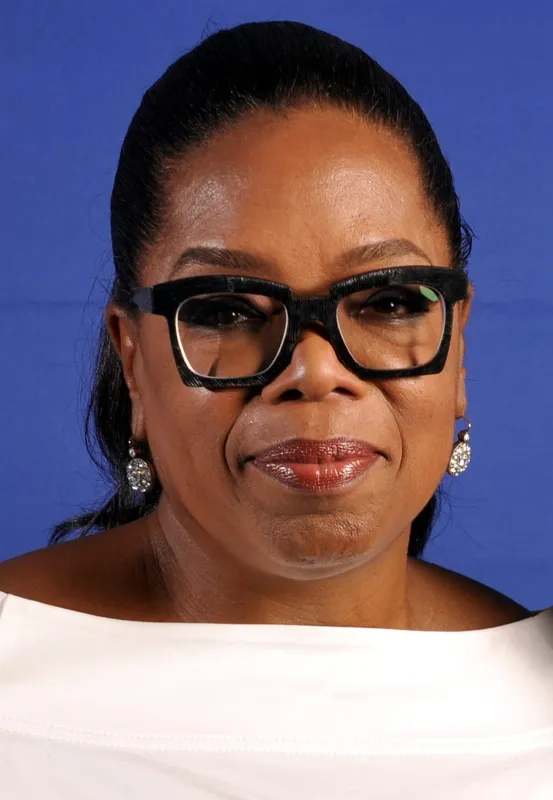
American Media Executive, Talk Show Host and Philanthropist
Oprah Winfrey is an American media executive, talk show host, actress, and philanthropist whose influence on television and popular culture has been profound. Born in 1954 in rural Mississippi, she experienced a difficult childhood marked by poverty and hardship before going to live with her father in Tennessee, where a stronger emphasis on education helped redirect her path. A gifted speaker from a young age, she won an oratory scholarship and began working in local radio and television while still a teenager, launching a career that would eventually make her one of the most recognized figures in the world.
Winfrey moved into local news and then daytime talk television, taking over a struggling morning program in Chicago and transforming it into a ratings success. That platform became "The Oprah Winfrey Show," which debuted nationally in the mid-1980s and ran for twenty-five years. The program redefined the daytime talk genre, blending celebrity interviews, personal stories, social issues, and an emphasis on self-improvement and emotional candor. Her empathetic, conversational style forged a powerful connection with audiences and made the show a cultural touchstone watched by millions around the globe.
Her influence extended well beyond conversation. "Oprah's Book Club" turned selected titles into instant bestsellers and is widely credited with encouraging reading among a vast audience. Her endorsements could shape consumer trends and public conversations, a phenomenon sometimes called the "Oprah effect."
Winfrey leveraged her on-screen success to become a formidable businesswoman. She founded her production company, Harpo Productions, giving her ownership and creative control over her work, and later launched a cable network, OWN, dedicated to original programming. Her business ventures, magazine, and various media projects helped make her one of the wealthiest self-made women and, for a time, the first Black female billionaire. Her career stands as a landmark example of an entertainer translating cultural influence into lasting entrepreneurial success.
She also pursued acting, earning critical acclaim for her role in the film adaptation of "The Color Purple," which brought her an Academy Award nomination, and appearing in and producing other notable film and television projects. Her interviews with public figures have repeatedly generated major news and wide discussion.
Throughout her career Winfrey has been deeply committed to philanthropy and education. Among her most prominent efforts is a leadership academy for girls in South Africa, reflecting her belief in education as a transformative force. She has donated generously to numerous causes and used her platform to highlight charitable work and social concerns.
Winfrey has received many of the highest honors in American public life, including recognition for her cultural and humanitarian contributions. Her ability to discuss difficult personal topics openly helped shift public attitudes on subjects ranging from health and relationships to overcoming adversity. As a Black woman who rose from poverty to the pinnacle of the media industry, she became a symbol of possibility for countless people.
Now regarded as one of the most influential figures in modern media, Winfrey continues to shape conversations through interviews, book recommendations, production projects, and public appearances. Her legacy rests not only on commercial success but on the way she expanded what daytime television could address and how millions of viewers thought about their own lives, making her one of the defining cultural voices of her era.
At Cannes Lions, Oprah Winfrey reflected on resisting the 'brand' label, what Beyonce taught her, and how she turned television into a force for good.
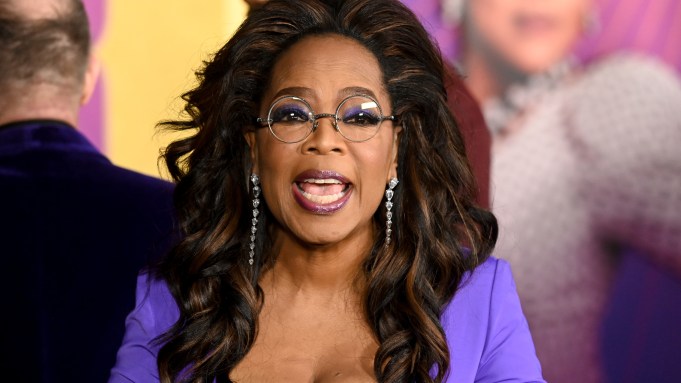
Honored at Cannes Lions, Oprah Winfrey recounted shielding Whitney Houston after the singer fell on her show, and her vow to use TV 'as a force for good.'