Business
Bloomberg Commits $285M to Scale Clean Energy Worldwide
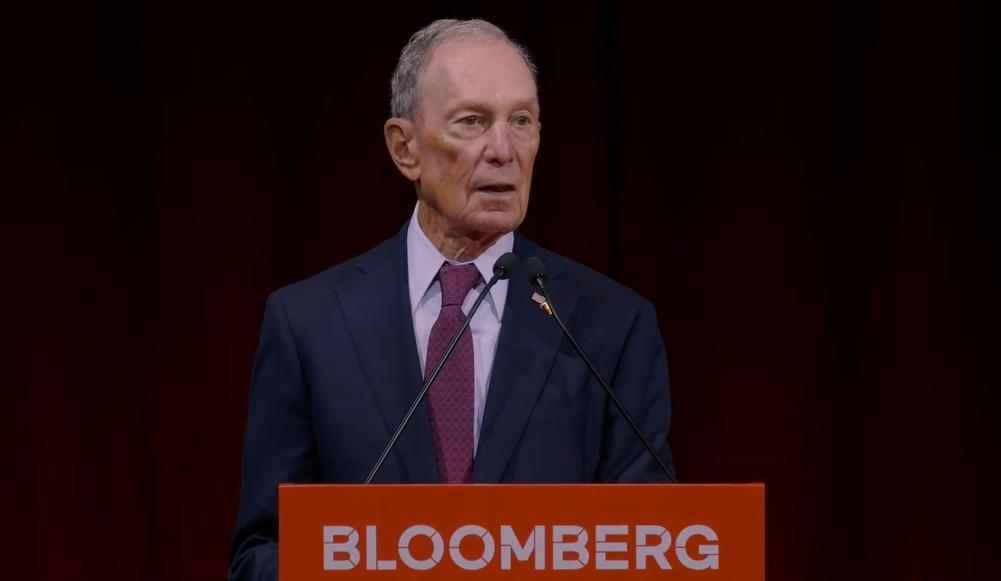
Michael Bloomberg is putting $285 million behind clean energy industries in emerging economies, aiming to give renewables the muscle to outcompete entrenched fossil fuel interests.
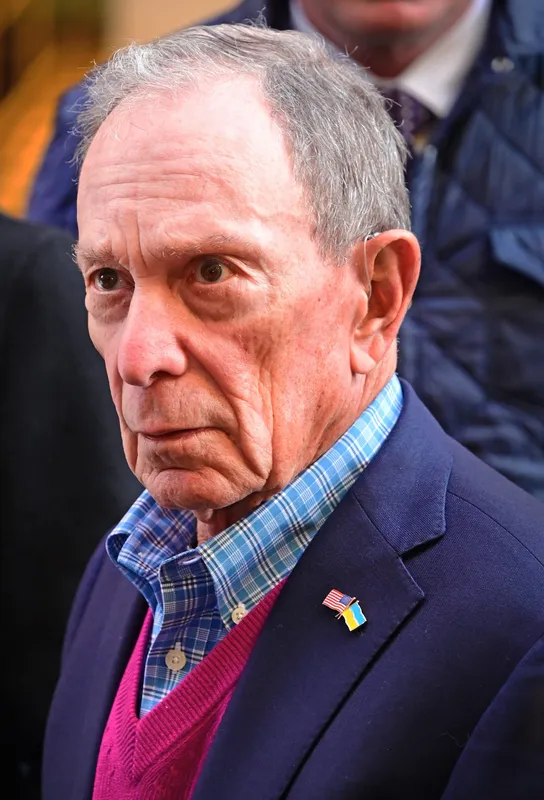
Businessman, philanthropist and former mayor of New York City
Michael Bloomberg is an American businessman, philanthropist, and politician who built a financial data empire, served three terms as mayor of New York City, and became one of the world's most prominent philanthropists. His career spans finance, media, public service, and large-scale charitable giving, making him a singular figure in modern American public life.
Born in Boston and raised in a middle-class family, Bloomberg studied engineering before earning a business degree from Harvard. He began his career at a prominent Wall Street investment bank, where he rose through the ranks and oversaw trading and information systems. When the firm was acquired and he was let go, he used his severance to launch a new venture in 1981.
That company, which became Bloomberg L.P., centered on a then-novel idea: delivering real-time financial data, analytics, and news directly to professionals through specialized computer terminals. The Bloomberg Terminal became indispensable on trading floors and in financial institutions worldwide, and the company expanded into news, media, and publishing. The business made Bloomberg enormously wealthy and established him as a transformative figure in financial information.
In 2001, Bloomberg entered politics, winning election as mayor of New York City in the aftermath of the September 11 attacks. He went on to serve three consecutive terms, guiding the city through a period of recovery, economic change, and significant policy experimentation. His administration emphasized public health initiatives, including measures targeting smoking and nutrition, as well as efforts on education reform, environmental sustainability, and urban development.
His tenure was not without controversy, and some of his policing and public health policies drew sustained debate. Nonetheless, he was widely regarded as a pragmatic, data-driven administrator who applied management principles from the business world to city governance. After leaving office, he remained active in public policy through advocacy on issues such as gun safety, climate change, and public health.
Bloomberg later sought the presidency, launching a high-profile but ultimately unsuccessful bid for the Democratic nomination, before returning his focus to business and philanthropy.
Through Bloomberg Philanthropies, he has directed billions of dollars toward causes including public health, education, the arts, environmental protection, and government innovation. His giving has supported anti-smoking campaigns around the globe, efforts to combat climate change, and major gifts to his alma mater aimed at expanding financial aid for students. He has also been a leading proponent of the Giving Pledge, committing to donate the bulk of his fortune.
Bloomberg's combined influence across business, government, and philanthropy is unusual in its breadth. As an entrepreneur he reshaped how financial markets access information; as a mayor he tested ambitious approaches to urban policy; and as a philanthropist he has channeled his resources toward global challenges. Critics and admirers alike acknowledge the scale of his impact, even as they debate specific policies and his considerable personal wealth and influence.
Now among the wealthiest individuals in the world, Bloomberg continues to lead his company and direct his charitable foundation. His career stands as a notable example of how expertise in one arena can be leveraged across business, public service, and global giving, leaving a multifaceted legacy that touches finance, cities, and causes far beyond his own industry.
Michael Bloomberg is putting $285 million behind clean energy industries in emerging economies, aiming to give renewables the muscle to outcompete entrenched fossil fuel interests.