Politics
Milei's cabinet chief Adorni quits amid spending scandal
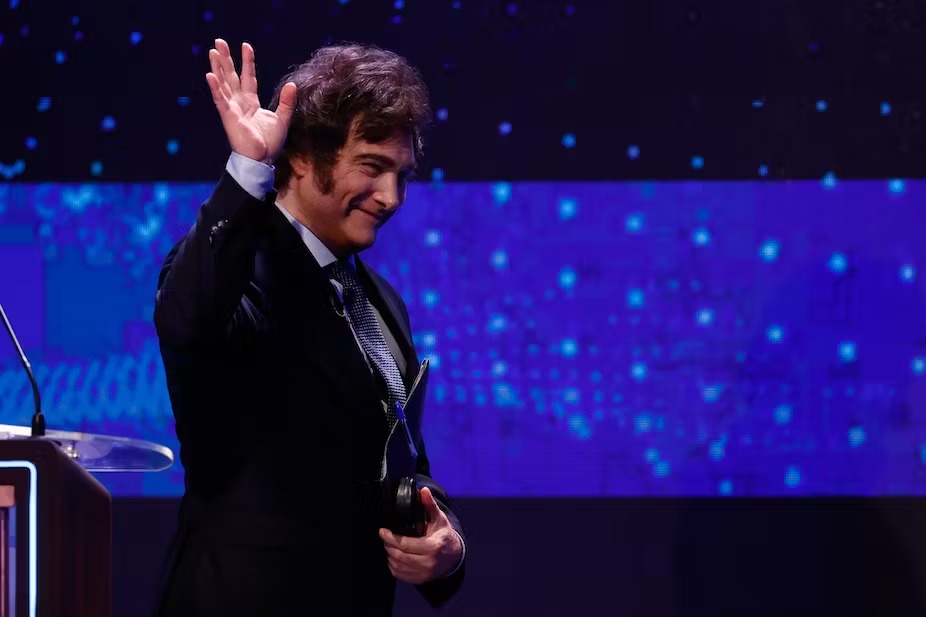
Argentine Cabinet Chief Manuel Adorni resigned amid an investigation into his finances, a blow to President Javier Milei as his approval rating slides.
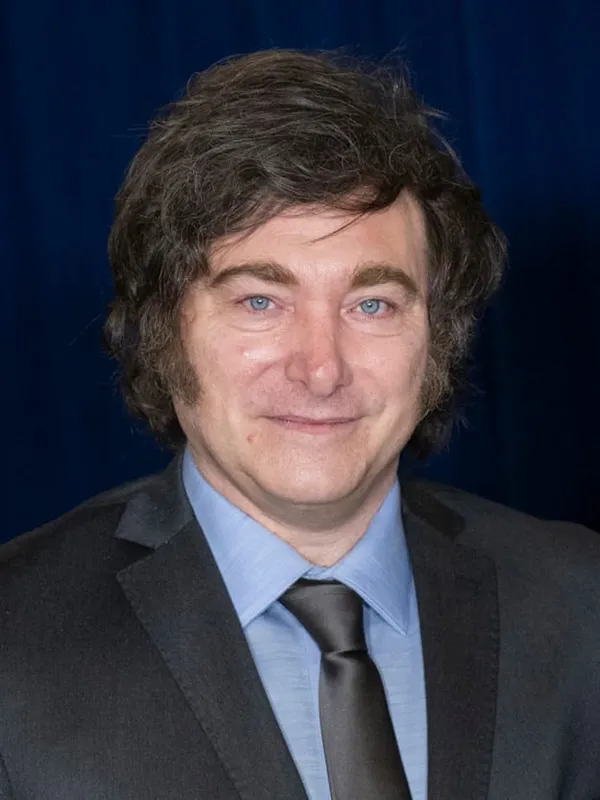
President of Argentina and Economist
Javier Gerardo Milei is an Argentine politician and economist who has served as the 57th president of Argentina since 2023. A self-described libertarian, he rose to power as an outsider promising sweeping changes to one of Latin America's largest but chronically troubled economies.
Born in Buenos Aires in 1970, Milei studied economics and went on to work as a professor, consultant, and economist for various institutions and companies. He became known to the Argentine public primarily through television, where he appeared frequently as a commentator offering sharp critiques of government spending, inflation, and what he characterized as decades of failed economic management.
His combative style, distinctive appearance, and passionate defense of free-market ideas made him a recognizable media personality well before he entered electoral politics. He authored books on economics and built a substantial following by framing Argentina's recurring crises as the product of excessive state intervention.
Milei entered formal politics in the early 2020s, winning a seat in the Chamber of Deputies. He founded and led the political movement La Libertad Avanza, channeling public frustration over high inflation, poverty, and economic stagnation. Campaigning on a platform of drastic spending cuts, deregulation, and a dramatic reduction in the size of the state, he frequently used a chainsaw as a symbol of his pledge to slash public expenditure.
In the 2023 election he advanced to a runoff and won the presidency, defeating his rival and ushering in a new political era. His victory was widely interpreted as a rejection of the established political order and a demand for change amid deep economic distress.
As president, Milei moved quickly to implement austerity measures and free-market reforms aimed at reducing the fiscal deficit and curbing inflation. His agenda has included cuts to public spending, reductions in subsidies, deregulation efforts, and changes to the structure of government ministries. Supporters credit his program with stabilizing key economic indicators, while critics have raised concerns about the social impact of austerity on vulnerable populations.
His presidency has drawn significant international attention, both for the boldness of his economic experiment and for his outspoken positions on global and ideological issues. He has positioned himself as a prominent voice for libertarian and free-market ideas on the world stage, frequently engaging with international forums and media.
Milei's leadership style remains polarizing within Argentina, energizing a dedicated base while facing pushback from opposition parties, labor groups, and segments of the public affected by his reforms. Navigating a fragmented legislature and a fragile economy, his tenure represents a closely watched test of whether a radical free-market approach can address Argentina's long-standing structural challenges. Whatever the ultimate outcome, his ascent from television commentator to head of state has marked a notable shift in the country's political landscape.
Argentine Cabinet Chief Manuel Adorni resigned amid an investigation into his finances, a blow to President Javier Milei as his approval rating slides.