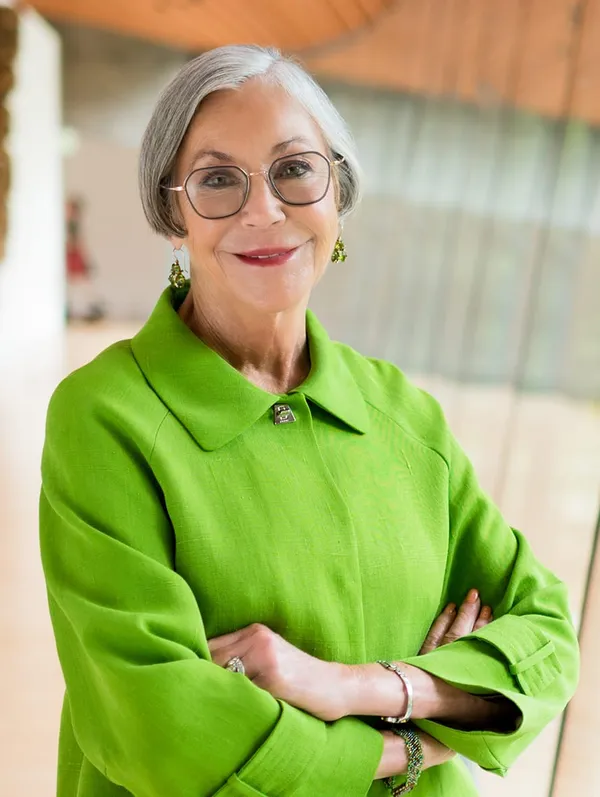
A Walmart Heiress with a Different Path
Alice Walton is one of the heirs to the fortune created by Walmart, the retail empire founded by her father, Sam Walton. As a member of the Walton family, she ranks among the wealthiest women in the world, her wealth tied largely to the family's substantial holdings in the company that grew from a single Arkansas store into the largest retailer on the planet. Yet unlike some of her relatives who took on prominent operational roles within the business, Walton charted a course defined more by culture and philanthropy than by day-to-day corporate management.
Raised in Arkansas, she pursued a career in finance early in her life, working in investment and banking before devoting her energy to the interests that would come to define her public identity. Chief among these is a lifelong passion for art, which she has translated into one of the most significant cultural undertakings of her generation.
Building Crystal Bridges
Walton's most visible legacy is the Crystal Bridges Museum of American Art, which she founded in Bentonville, Arkansas, the town where Walmart is headquartered. Conceived as a world-class institution dedicated to American art, the museum brought a major collection and ambitious architecture to a region not traditionally associated with such cultural destinations. Through it, Walton sought to make American art accessible to a broad public, including many visitors who might not otherwise have ready access to major museums.
The museum reflects her conviction that great art should not be confined to large coastal cities. By situating a significant collection in the American heartland and emphasizing free or affordable access, Crystal Bridges has become a notable example of philanthropy aimed at democratizing the arts. Walton has assembled important works spanning the history of American painting and sculpture, and the institution has grown into a cultural anchor for the region.
Philanthropy Beyond the Gallery
Walton's giving extends well beyond a single museum. She has supported education initiatives and has taken a particular interest in health care, backing efforts to improve access and rethink how care is delivered, including ventures focused on wellness and medical education. These projects reflect a broader interest in addressing challenges in the communities connected to the Walton legacy and beyond.
As one of the most prominent figures associated with the Walton family's philanthropic activities, she has used her resources to shape institutions intended to outlast her, in fields ranging from the arts to public health. Her approach illustrates how inherited wealth can be redirected toward long-term civic and cultural goals rather than purely commercial ones.
Walton occupies a distinctive place among the world's wealthiest individuals. Her fortune is rooted in the retail revolution that her family pioneered, but her public reputation rests largely on what she has chosen to build with that wealth. By championing American art and investing in the cultural and social life of her home region, she has demonstrated a vision of stewardship focused on access, education, and lasting public benefit. In doing so, Alice Walton has become recognized not only as a member of one of the most influential business families in history, but also as a major patron whose contributions to the arts and philanthropy continue to shape institutions and communities.