Scholz to Co-Chair Germany's New North-South Development Commission
The German cabinet has appointed former Chancellor Olaf Scholz and ex-Costa Rican President Laura Chinchilla as co-chairs of a new development-policy North-South Commission, which launches on June 30 in Hamburg.
Olaf Scholz is returning to the international stage. The man who led Germany as chancellor is preparing to take up a fresh diplomatic assignment after the federal cabinet, meeting on June 24, 2026, approved the creation of a Development Policy North-South Commission and named him as one of its two leaders. The body carries the German title Entwicklungspolitische Nord-Süd-Kommission, abbreviated ENSK, and Die Bundesregierung has confirmed that Scholz will sit at its head.
A Second Act for Scholz
For a former head of government, the role is a meaningful one rather than a ceremonial title. Scholz will not chair the commission alone; he is paired with Laura Chinchilla, the former president of Costa Rica who governed her country between 2010 and 2014. The pairing is deliberate, putting a senior European voice alongside a respected Latin American leader. Development Minister Reem Alabali Radovan, according to Die Bundesregierung, hailed the two as "two globally respected and multilaterally experienced co-chairs" and cast their appointment as proof that Germany intends to keep shaping world affairs through cooperation rather than stepping back from it.
The broader aim, the government says, is to produce concrete recommendations for how rich and poor nations might work together differently in a world that is no longer organized around a single dominant bloc. Berlin frames this as a response to a more multipolar order, and the commission's conclusions are meant to inform new forms of partnership and to strengthen the global push for sustainable development in the years after 2030.
How the Commission Is Built
The structure the cabinet signed off on is designed to bring many perspectives into one room. As outlined by Die Bundesregierung, the commission will rest on the following pillars:
- About 20 members recruited from politics, academia, business, trade unions, civil society and international organizations, with representation from both the North and the South.
- Two co-chairs, Scholz and Chinchilla, steering the work jointly.
- A strategic steering circle that folds in parliamentary and business figures to keep the body connected to lawmakers and industry.
The ENSK is meant to function independently of day-to-day government and is expected to remain active through the end of the current legislative period, giving it time to develop substantive proposals rather than quick talking points.
Reviving the Brandt Legacy
The project is not without precedent, and that history is very much the point. Decades ago another former chancellor, Willy Brandt, led an international North-South commission whose landmark report reshaped how the world discussed inequality between wealthy and developing countries. Officials describe the new commission, which traces back to the governing coalition's agreement, as an attempt to carry that tradition into a very different geopolitical era. Invoking Brandt lends the effort historical weight and signals that Berlin wants the ENSK to aim for influence beyond Germany's borders.
What Comes Next
The commission is set to be formally launched on June 30, 2026, at the Hamburg Sustainability Conference, an event that gives the new body a high-profile platform from its first day. Additional details about who will fill the roughly 20 member seats are expected to be confirmed around that launch. In the months that follow, attention will turn to whether the group can translate its broad mandate into recommendations that governments actually adopt. For Scholz, the assignment offers a substantive post-chancellorship role centered on Germany's relationships with the developing world, and a chance to keep working on the kind of long-horizon questions that rarely fit neatly into a single term in office.
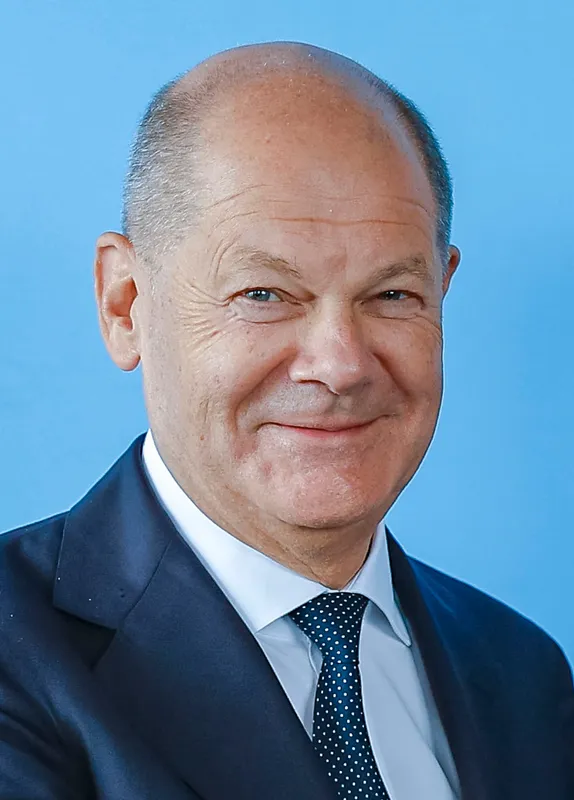 ProfileOlaf ScholzFormer Chancellor of Germany
Related
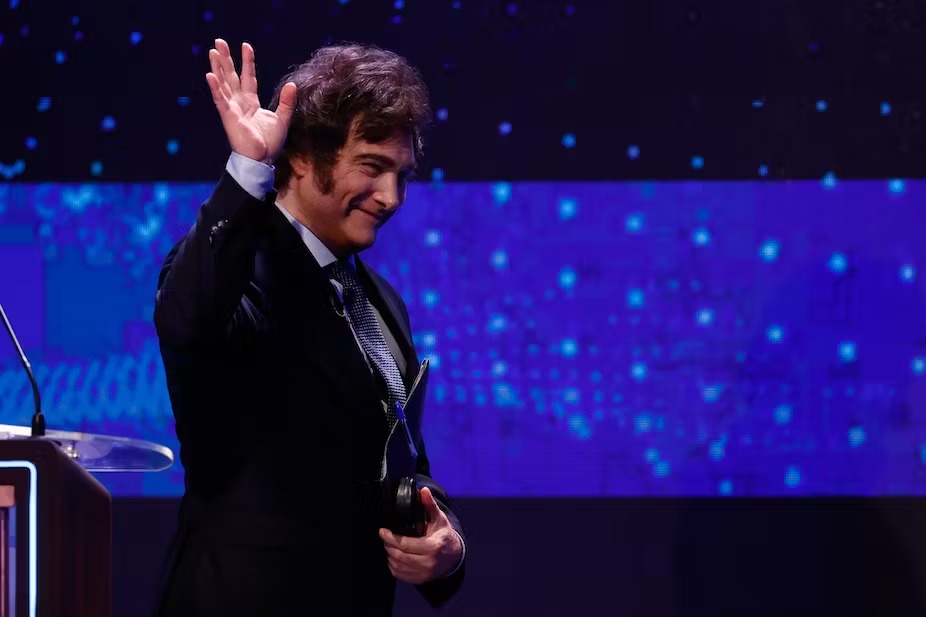
Milei's cabinet chief Adorni quits amid spending scandal
Argentine Cabinet Chief Manuel Adorni resigned amid an investigation into his finances, a blow to President Javier Milei as his approval rating slides.

Albanese Vows to Toughen Australia's Under-16 Social Media Ban
Prime Minister Anthony Albanese says big tech is failing to comply with Australia's world-first under-16 social media ban and is pushing tougher penalties and new enforcement powers.

Zelenskyy Details Russia's Latest Week of Airstrikes
President Zelenskyy laid out the scale of Russia's bombardment over the past week, reporting nearly 3,000 aerial weapons fired across 15 Ukrainian regions.