Torvalds Ships Linux 7.1 With New NTFS Driver, Big Cleanup

Linus Torvalds released Linux kernel 7.1, headlined by a rewritten in-kernel NTFS driver, Intel FRED by default, and the removal of 140,000 lines of legacy code.
Linus Torvalds, the Finnish-born engineer who has steered Linux development since he first posted the kernel to the internet in 1991, has signed off on Linux 7.1, the first point release in the 7.x series. The update closes out a development cycle stacked with changes that some users have waited on for years. According to Linux Journal, Torvalds announced the release on June 14, 2026, and the kernel pulled in nearly 13,000 non-merge changesets contributed by more than 2,000 developers, a reminder of just how sprawling the project's volunteer-and-corporate collaboration has become.
The Headline: A Reworked NTFS Driver
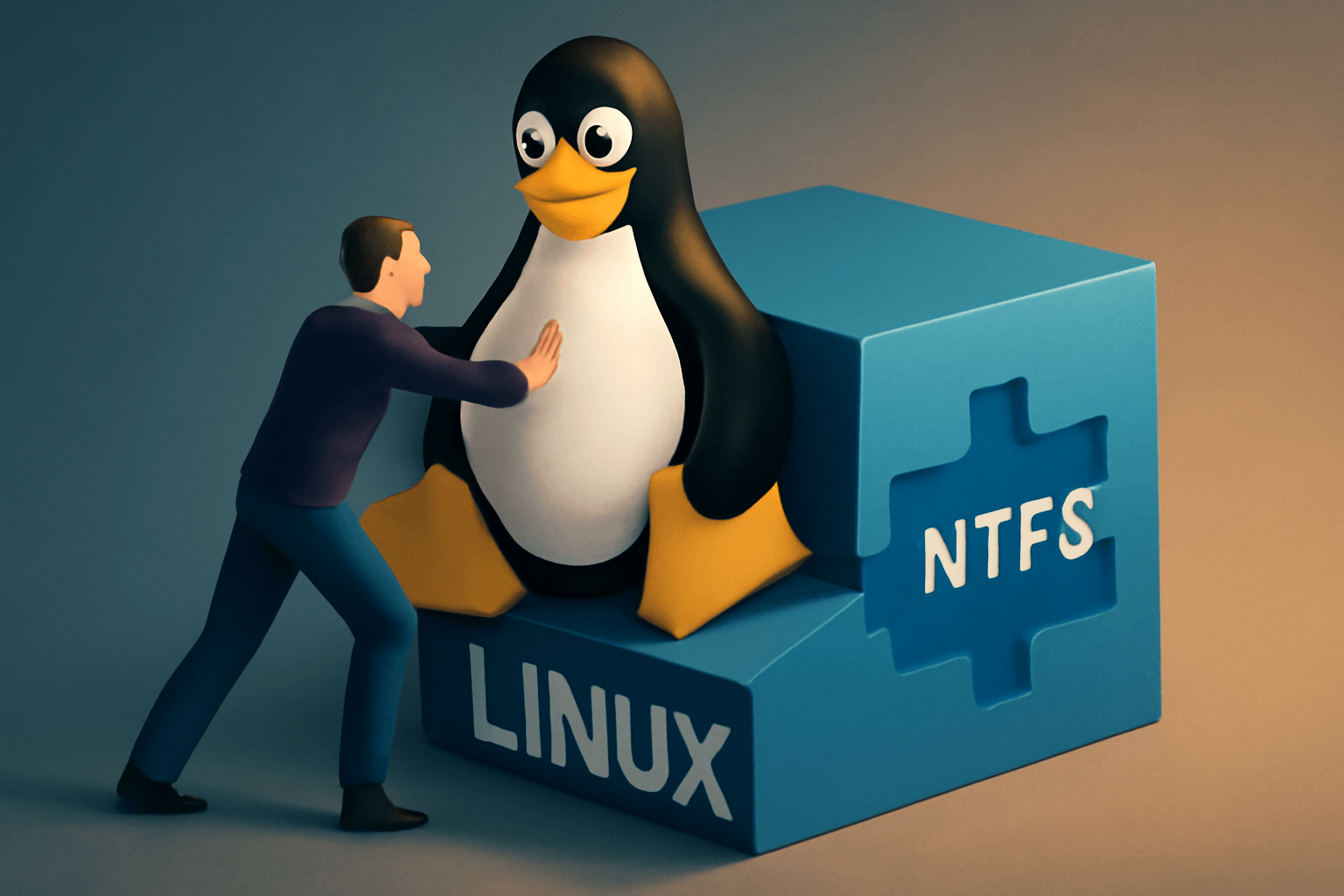
The marquee feature is a completely rewritten in-kernel NTFS filesystem driver. Long a sore spot for anyone moving files between Linux and Windows, NTFS support has historically relied on workarounds and partial implementations. The new driver, which took roughly four years to mature, delivers full write support and noticeably better performance for Microsoft's file format directly inside the kernel. For users who dual-boot or share drives across operating systems, it is the kind of quality-of-life upgrade that removes a daily friction point.
Other notable additions in 7.1 include:
- Intel FRED (Flexible Return and Event Delivery) enabled by default on supported hardware, modernizing how the processor handles interrupts and events.
- Expanded Landlock sandboxing, with new controls covering UNIX domain sockets, giving applications finer-grained ways to limit their own privileges.
- Graphics and audio fixes, including Steam Deck OLED audio improvements that have now been folded into the mainline kernel.
A Major Spring Cleaning
What the release removes is arguably as important as what it adds. Linux 7.1 strips out more than 140,000 lines of legacy code, among them support for ancient x86 486-era sub-architectures that virtually no one runs anymore. Pruning that dead weight makes the kernel easier to maintain and reason about going forward.
That housecleaning does come with breaking changes that administrators should plan around. Per Linux Journal, UDP Lite support has been removed entirely, and IPv6 can no longer be compiled as a loadable module, meaning it now has to be built directly into the kernel or disabled outright. Anyone maintaining custom configurations will want to review their build options before upgrading.
Classic Torvalds Understatement
True to form, Torvalds resisted any temptation to hype the release. He described it as containing "mostly various smaller driver updates (gpu, networking, sound, misc)" with nothing "particularly interesting or scary." For a project where the overriding priority is that nothing breaks for hundreds of millions of devices, a boring release note is precisely the goal. Stability, not spectacle, has always been the kernel's calling card.
What Comes Next
Attention now shifts to the following cycle. Linux Journal reports that the 7.2 merge window is already opening, with the first release candidate expected around June 28, 2026 and a stable release anticipated in late August. Distributions will gradually pick up 7.1 over the coming months, with longer-support branches typically lagging the mainline by design.
Taken together, Linux 7.1 reads as a meaningful modernization step. It swaps decades-old code for current implementations, hands users a long-requested NTFS overhaul, and tightens security primitives, all while keeping the methodical, stability-first discipline that has kept Linux at the heart of servers, phones, and supercomputers alike.
Related on Ni4o: PewDiePie's Odysseus Turns Local AI Into a Real Workspace · Michael Dell Becomes World's Fifth-Richest on AI Boom · Karpathy Says X Has Never Been This Toxic; Musk Responds · Karpathy: AI Is No Longer a Chatbot, It's Your Teammate
 ProfileLinus TorvaldsSoftware engineer & Linux creator
Related

Nadella Bets on a 33-Year-Old Exec to Fix Copilot
Fortune reports that Satya Nadella is leaning on 33-year-old Jacob Andreou, now running Microsoft Copilot, to pull the company's flagship AI assistant ahead after a slow start.

PewDiePie's Odysseus Turns Local AI Into a Real Workspace
Odysseus, the free self-hosted AI workspace built by Felix 'PewDiePie' Kjellberg, has blown past 76,000 GitHub stars within a month, pitching a simple idea: own your AI instead of renting it.

Michael Dell Becomes World's Fifth-Richest on AI Boom
A 225% surge in Dell stock has pushed Michael Dell's fortune to roughly $216 billion, vaulting him to fifth on the global rich list as demand for AI servers explodes.