Keir Starmer resigns as UK prime minister amid revolt

Less than two years after Labour's landslide, Keir Starmer is stepping down as prime minister after his own MPs withdrew their confidence in his leadership.
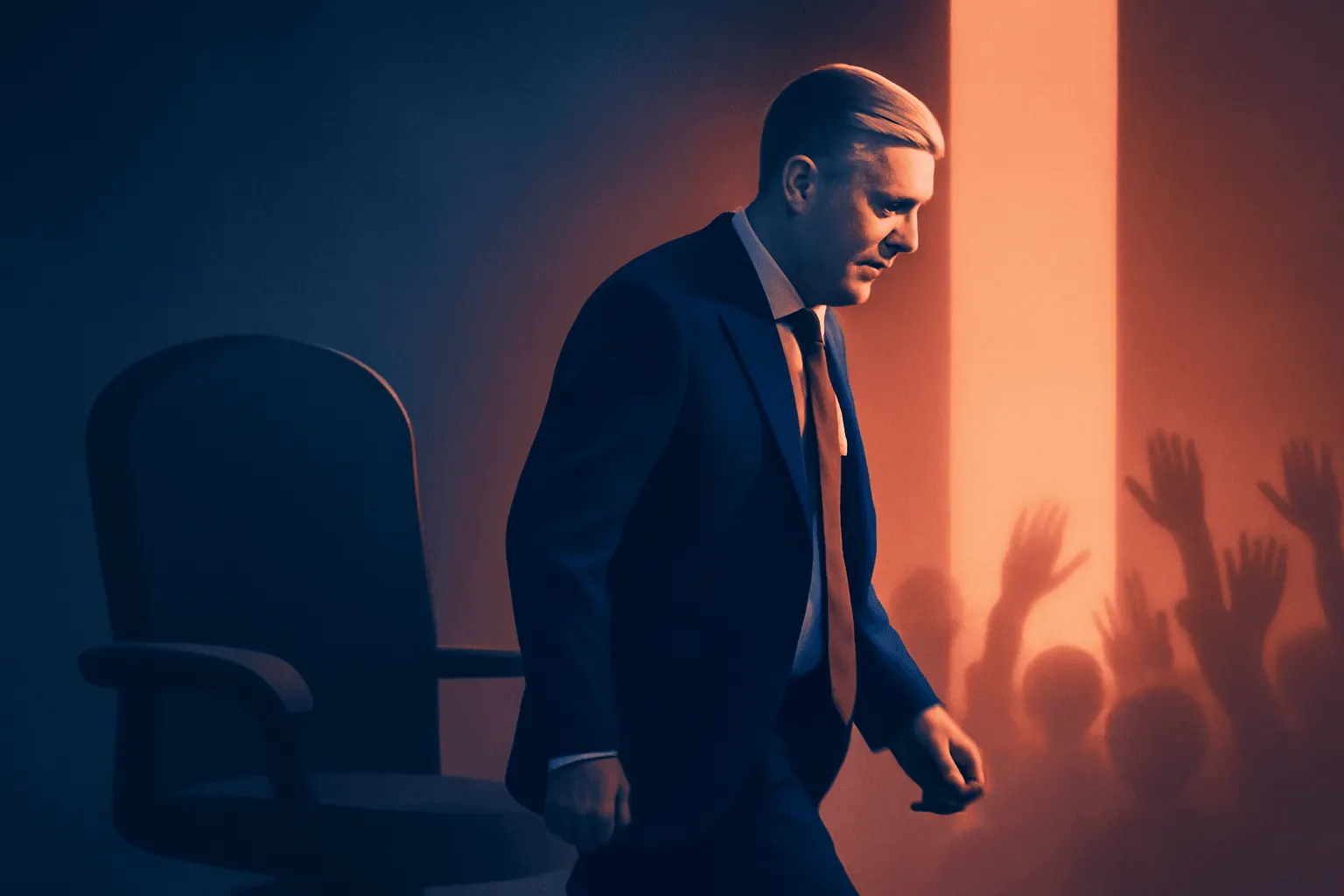
A landslide leader heads for the exit
Keir Starmer is leaving Downing Street. The prime minister has announced that he will step down, Al Jazeera reports, bringing a sudden close to a premiership that began less than two years ago with one of the largest election victories in Labour's history. The collapse from triumph to resignation in barely 24 months ranks among the more dramatic reversals in recent British political memory.
Starmer's announcement carried a tone of acceptance rather than defiance. "I have heard the answer of my parliamentary party to that question, and I accept that answer with good grace," he said, conceding that he no longer held the support a prime minister needs to govern. The statement effectively ended weeks of speculation about whether he could survive a mounting rebellion within his own ranks.
What pushed him out
The pressure had been building for months as Labour's poll numbers slid and the insurgent Reform UK climbed. According to Al Jazeera, the decisive blow came in May's local elections, a contest that turned into a rout. Labour shed roughly 1,496 council seats, while Reform UK picked up about 1,453, a swing that convinced many Labour MPs the party was marching toward defeat with Starmer at the helm.
That anxiety hardened into open revolt, and the prime minister concluded he could not carry on. His departure also extends an extraordinary streak of instability at the top of British politics, putting the country on track for its seventh prime minister in roughly a decade.
Key details from the reporting include:
- Greater Manchester Mayor Andy Burnham is viewed as the clear frontrunner to succeed Starmer.
- Nominations in the leadership) contest are set to open on July 9.
- A new leader is expected to be installed by September, when Parliament returns from recess.
- Candidates will need the backing of at least 81 Labour MPs, equal to 20 percent of the parliamentary party.
The race to replace him
Rather than fragmenting into a sprawling free-for-all, the succession appears to be consolidating quickly. Al Jazeera reports that senior figures such as Health Secretary Wes Streeting and Deputy Prime Minister Angela Rayner have thrown their weight behind Burnham instead of launching campaigns of their own. The early alignment suggests a party desperate to avoid the kind of bruising internal war that could deepen its troubles.
Streeting framed the choice ahead in existential language, arguing that the next leader must be capable of winning what he called "the fight of our lives against the forces of nationalism." The phrasing underscores how directly Labour now sees its survival tied to halting Reform UK's momentum.
A cautionary tale of British politics
For Starmer, the fall is striking precisely because of how high he had climbed. He led Labour out of years in the wilderness and back to power with a commanding majority, only to be ushered toward the door by the very colleagues who rode that wave into Parliament. His brief tenure becomes another entry in a turbulent era defined by leaders who arrived with momentum and departed under fire.
What happens next will test whether a change at the top can genuinely reset Labour's fortunes or merely paper over deeper problems. The party is betting that a swift, orderly handover, most likely to Burnham, can steady the ship before voters pass judgment again. Whether a new face is enough to blunt Reform UK's rise is the question now hanging over British politics.
Related on Ni4o: Milei's cabinet chief Adorni quits amid spending scandal · Albanese Vows to Toughen Australia's Under-16 Social Media Ban
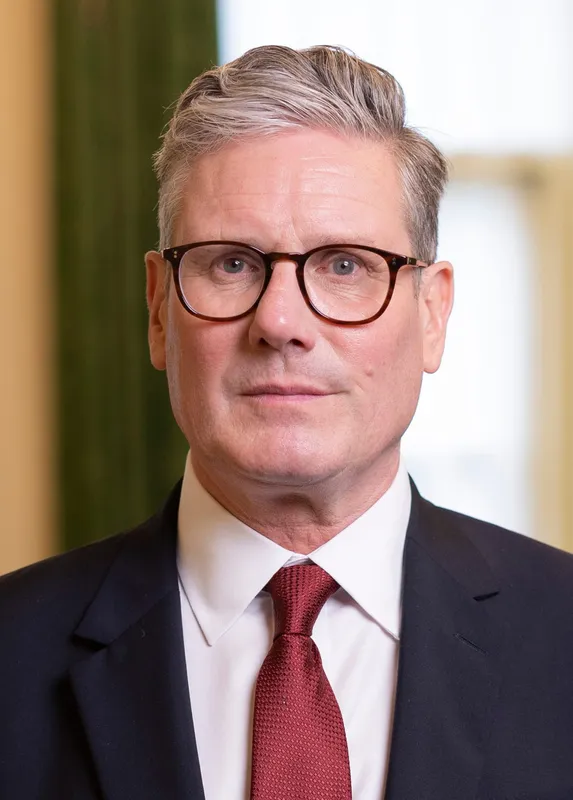 ProfileKeir StarmerPrime Minister of the United Kingdom
Related
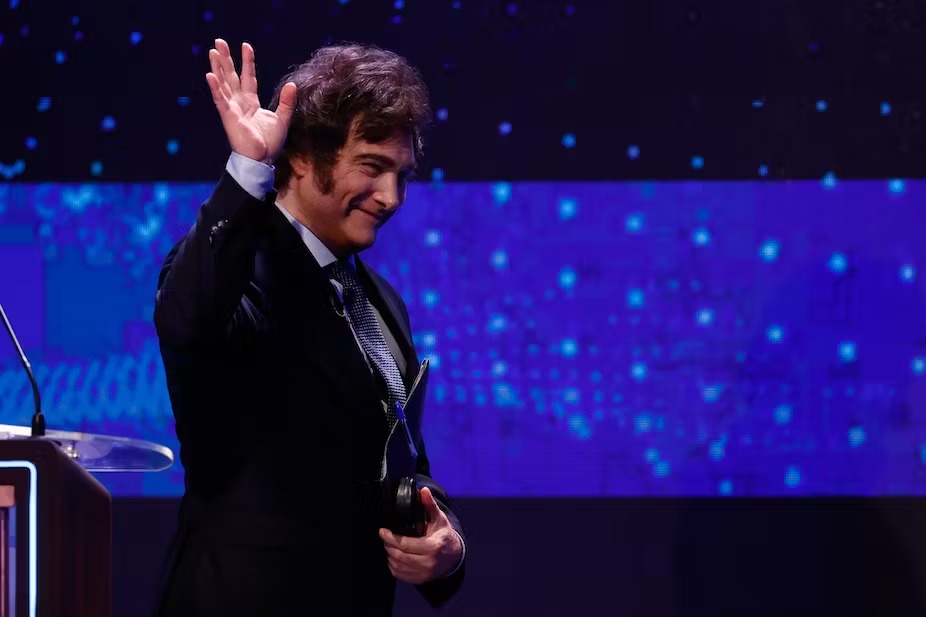
Milei's cabinet chief Adorni quits amid spending scandal
Argentine Cabinet Chief Manuel Adorni resigned amid an investigation into his finances, a blow to President Javier Milei as his approval rating slides.
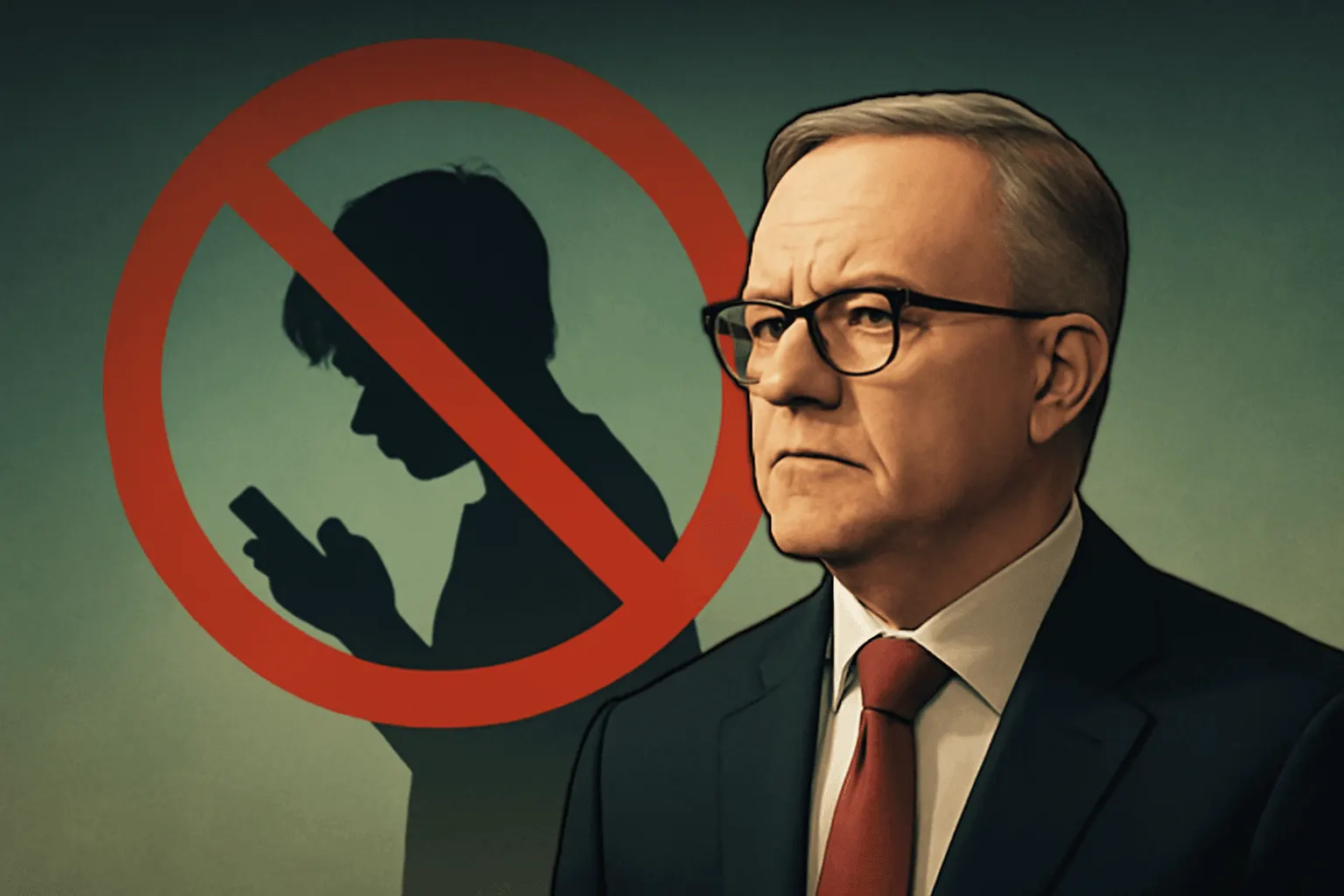
Albanese Vows to Toughen Australia's Under-16 Social Media Ban
Prime Minister Anthony Albanese says big tech is failing to comply with Australia's world-first under-16 social media ban and is pushing tougher penalties and new enforcement powers.
Zelenskyy Details Russia's Latest Week of Airstrikes
President Zelenskyy laid out the scale of Russia's bombardment over the past week, reporting nearly 3,000 aerial weapons fired across 15 Ukrainian regions.