Karpathy's Software 2.0 Thesis Evolves Into Software 3.0

Andrej Karpathy updates his influential software framework, defining a new 'Software 3.0' era where AI automates anything humans can objectively verify.
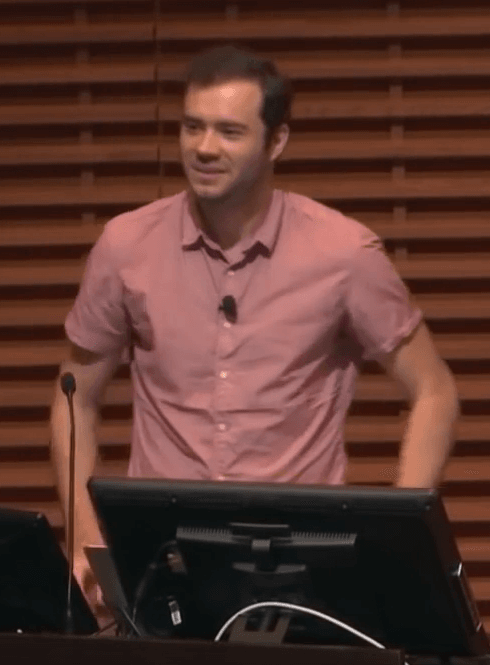
Few people have shaped how engineers talk about the craft of programming over the past decade as much as Andrej Karpathy, the former Tesla AI director and OpenAI founding member whose "Software 2.0" essay reframed neural networks as a new kind of code. Now he has given that idea a sequel. According to StartupHub.ai, Karpathy has expanded his long-running thesis into what he calls "Software 3.0," a framework for understanding how artificial intelligence is changing not only how software gets written but who, or what, is doing the writing.
From Hand-Written Rules to Verified Outcomes
Karpathy frames the history of software as a progression through three distinct eras, each one moving the human further from the keyboard and closer to the role of director:
- Software 1.0: people write explicit, line-by-line instructions in languages such as Python or C++.
- Software 2.0: people supply training data and desired outcomes, and let a model learn the rules on its own.
- Software 3.0: people define results that can be objectively checked, and AI automates the work of getting there.
The pivot that defines the newest era, the report explains, is verifiability. Software 3.0 is best suited to problems whose outputs can be measured against an objective signal, such as a passing test suite, a game score, or a formal proof, rather than to tasks that demand painstaking up-front specification. In Karpathy's telling, the scarce human skill is shifting away from describing exactly how a system should behave and toward defining what a correct answer looks like.
Jagged Intelligence and a Turning Point
To capture why today's models feel brilliant in one moment and brittle the next, Karpathy leans on a phrase he has popularized: "jagged intelligence." The idea is that model capability spikes wherever dense, automated reward signals are available, in domains like mathematics, tested code, and scored games, while it stays unreliable in areas that lack any objective way to grade the work. The unevenness is not a bug to be smoothed over so much as a map of where the technology is ready to be trusted.
StartupHub.ai notes that Karpathy points to December 2025 as the moment "agentic coding shifted from experimental to reliable." That, in his view, is when engineers could begin delegating entire subsystems to AI rather than babysitting it line by line. Yet he is emphatic that skilled engineers do not vanish in this world. Their job becomes writing the specifications and reviewing generated code for security flaws and subtle errors, because, as he frames it, you can outsource the thinking but not the understanding. The responsibility for knowing whether a system is correct still rests with a human.
Putting the Theory to Work
The framework is not purely abstract. The report adds that Karpathy is applying these ideas directly inside Anthropic, where his pre-training team uses the company's Claude models to speed up the lab's own research infrastructure, effectively letting AI help build the tools that train the next generation of AI.
Why It Matters
The original Software 2.0 essay became a reference point precisely because it gave practitioners a shared vocabulary at a moment of rapid change. Software 3.0 attempts the same trick for the agentic era, offering teams a way to reason about which tasks are safe to hand to machines and which still demand human judgment. Whether the label sticks as firmly as its predecessor remains to be seen, but the underlying message is already resonating: in a world where AI can generate working code on demand, the durable advantage belongs to those who can define and verify what "working" actually means.
Related on Ni4o: Karpathy: AI Is No Longer a Chatbot, It's Your Teammate
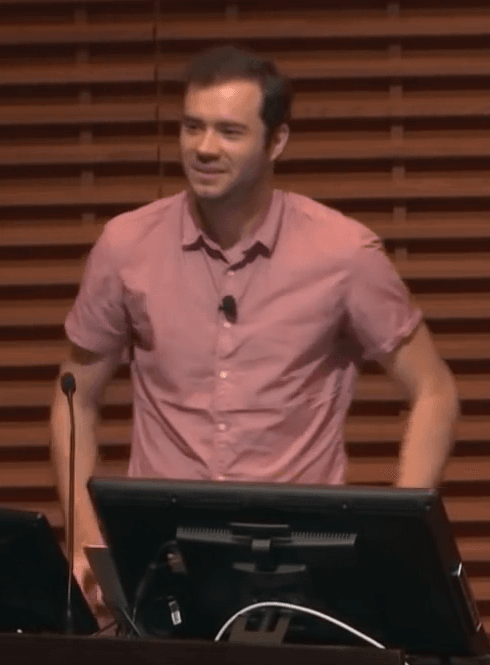 ProfileAndrej KarpathyComputer scientist and AI researcher
Related
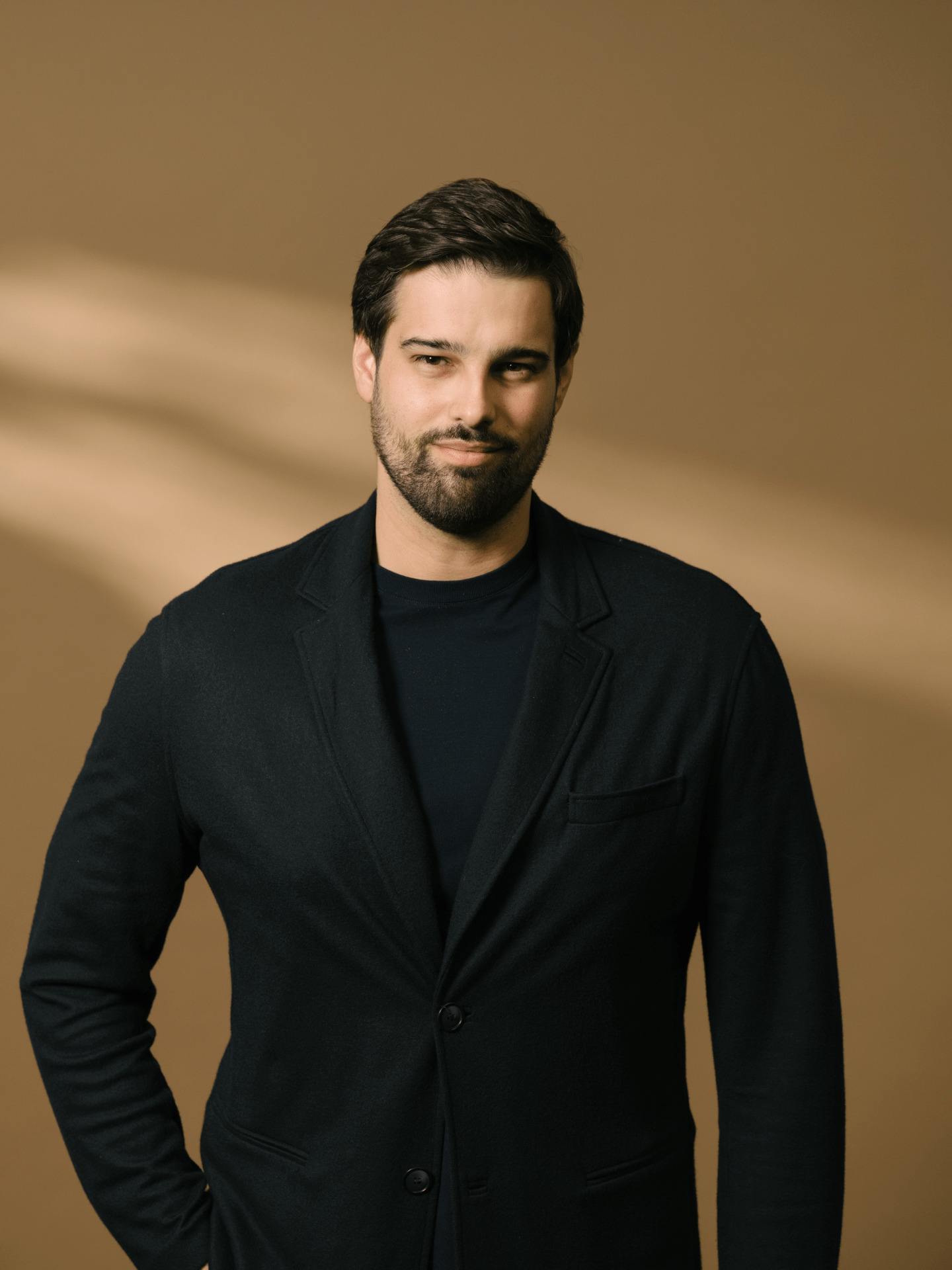
Nadella Bets on a 33-Year-Old Exec to Fix Copilot
Fortune reports that Satya Nadella is leaning on 33-year-old Jacob Andreou, now running Microsoft Copilot, to pull the company's flagship AI assistant ahead after a slow start.

PewDiePie's Odysseus Turns Local AI Into a Real Workspace
Odysseus, the free self-hosted AI workspace built by Felix 'PewDiePie' Kjellberg, has blown past 76,000 GitHub stars within a month, pitching a simple idea: own your AI instead of renting it.
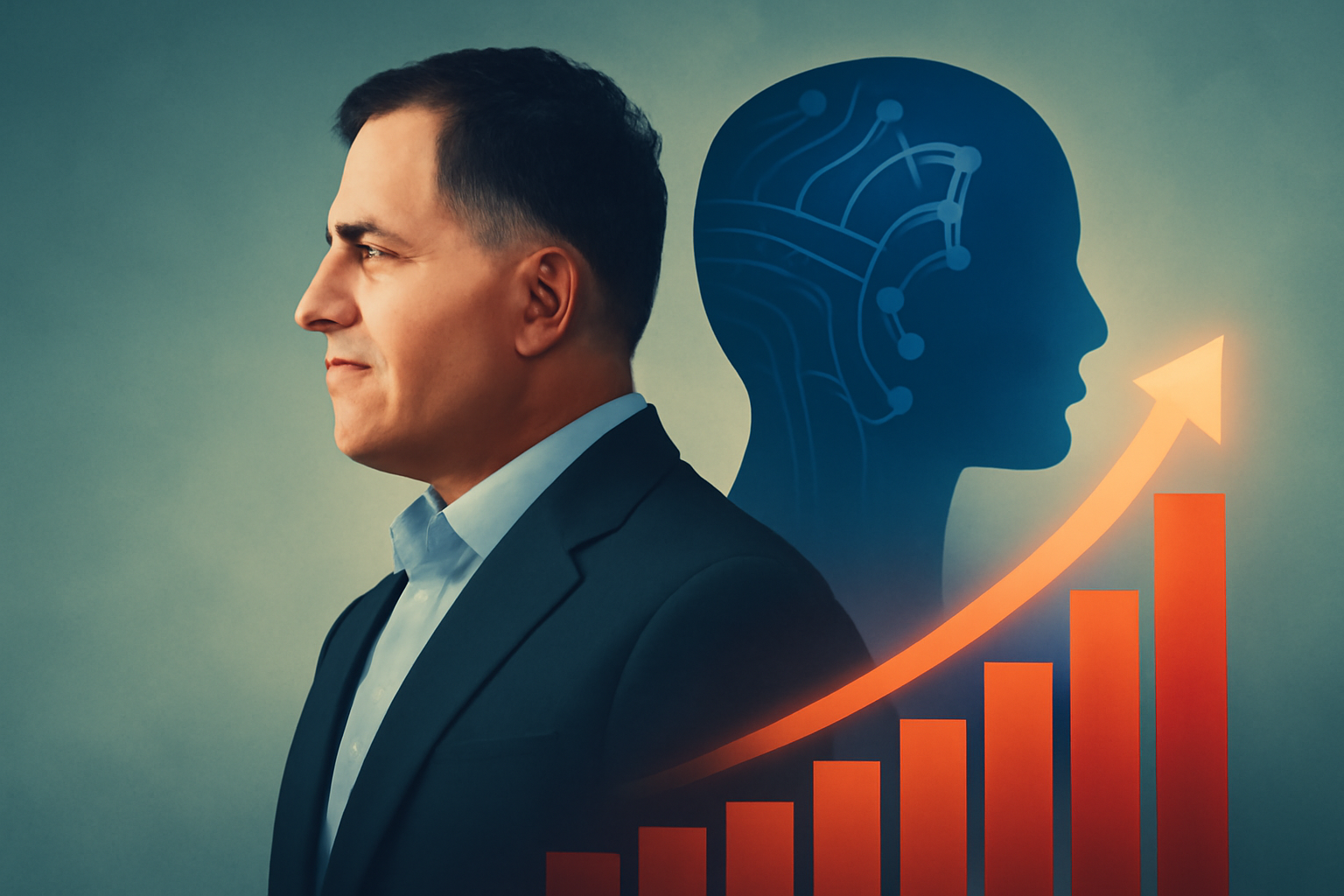
Michael Dell Becomes World's Fifth-Richest on AI Boom
A 225% surge in Dell stock has pushed Michael Dell's fortune to roughly $216 billion, vaulting him to fifth on the global rich list as demand for AI servers explodes.